Utility Payment Reporting Programs and Credit Score Impact
Utility reporting helps thin-file borrowers more than those with established credit.
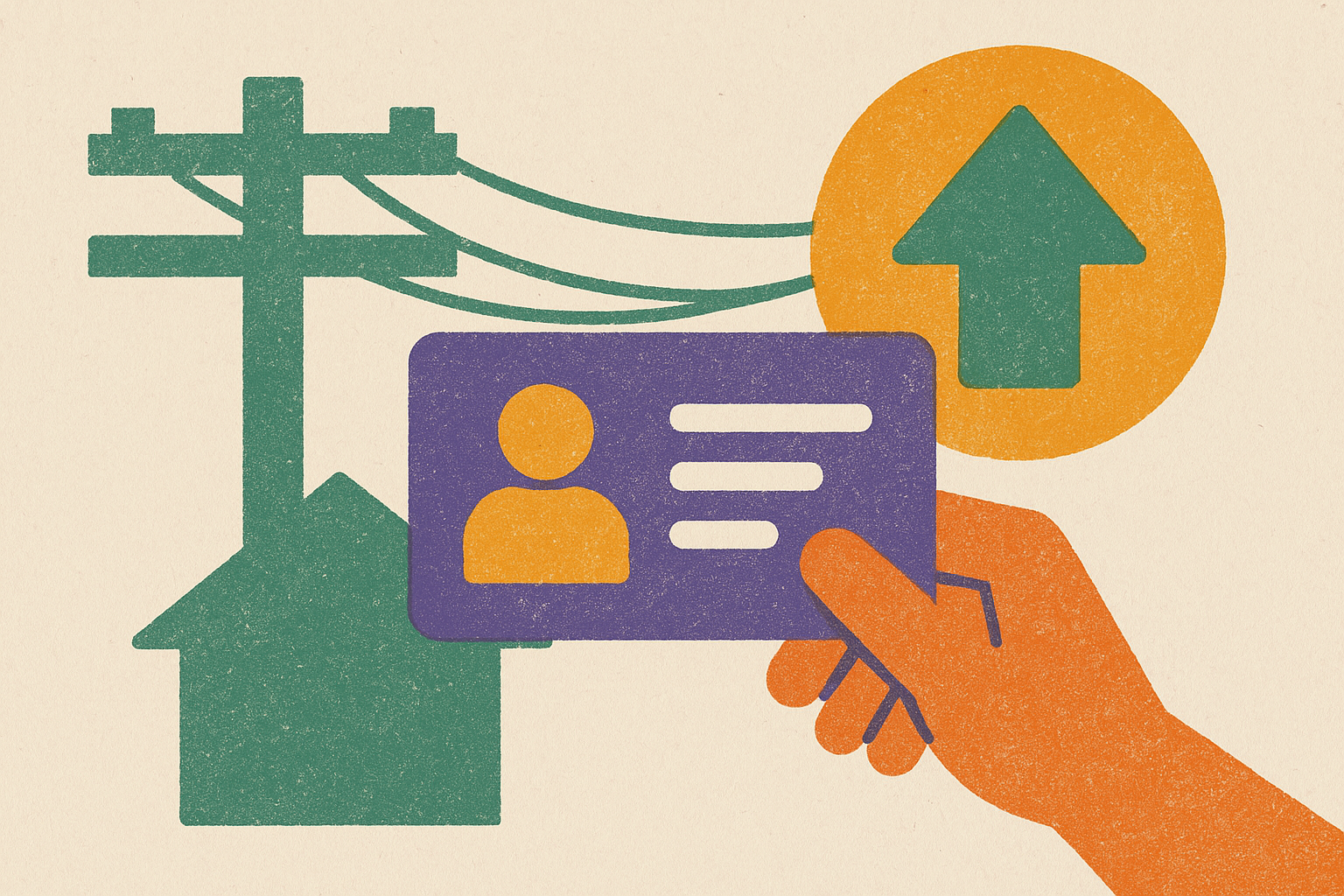
Utility payment reporting programs can turn regular bills into credit history, but they do not guarantee a better score or better loan terms. The system is lopsided by default. Unpaid utilities can hurt your credit, while years of on-time payments go unrecorded. Whether reporting is worth it depends on your credit file, the service’s coverage, the lender’s scoring model, and what happens after enrollment.
The structural reason utility payments don't build credit by default
A utility bill is not a credit account in the way a loan or credit card is. The provider is billing you for a service already consumed, rather than extending revolving or installment credit. A credit tradeline does not automatically appear just because you pay a bill every month.
Chase’s 2026 explainer states that utility companies do not routinely report monthly payments to Experian, Equifax, or TransUnion because utility bills are considered non-credit accounts. Reporting those payments takes extra verification steps that most providers do not take. Traditional scoring models also do not handle utility accounts the way they handle loans and credit cards. As a result, a provider can receive three years of on-time payments without sending a single positive data point to a bureau.
Why the asymmetry cuts only one way — late payments travel, on-time payments don't
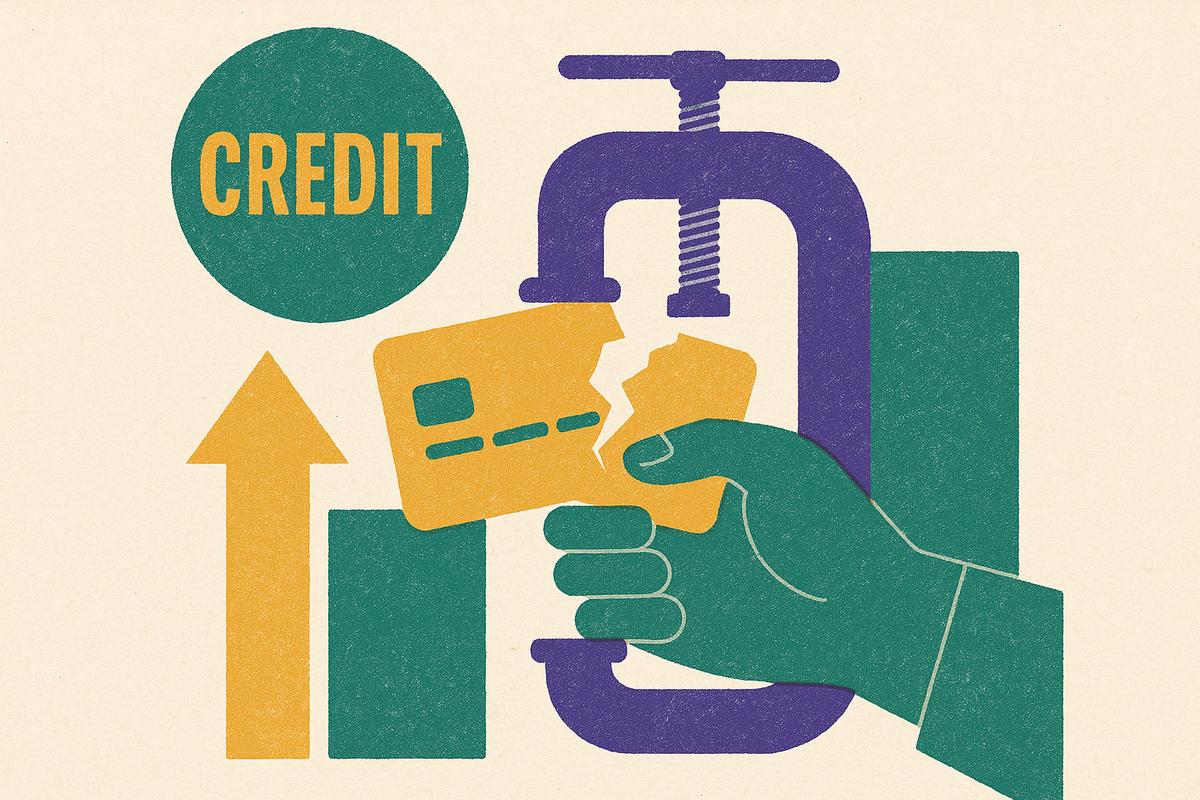
The absence of routine reporting does not keep an unpaid utility account off your credit report. Once that account goes to collections, it has a route into the system that your regular payments lacked. Chase’s 2026 explainer states that an unpaid account sent to collections may remain on your report as a negative mark for up to seven years. It can also hurt your credit score. The system is not ignoring the relationship equally in both directions.
Collections are not the only possible downside. A provider’s hard inquiry before starting service can hurt your credit, as can delinquencies that a landlord reports. Yet paying those bills each month usually leaves no positive record that you paid what you owed. Paying on time prevents collections, but avoiding damage is not the same as building credit. Because this imbalance comes from reporting rules rather than random neglect, there are structured ways to work around it.
Who the asymmetry hits hardest — credit-invisible and thin-file consumers
For someone with an established credit history, missing utility payments from the record may be a small lost opportunity. For someone without any credit tradelines, the same omission can leave almost nothing for a lender to assess. A credit-invisible consumer has no tradelines at any of the three major bureaus. A thin or outdated file can also leave a lender with too little information to produce a score, even though there is a record. In either case, reliably paying essential bills may do little to open access to credit.
The CFPB previously estimated that roughly one in ten U.S. adults was credit invisible, though it has since revised that figure sharply downward. The CFPB also identified an additional group whose thin or outdated files made them nonscorable. The earlier estimate should not be treated as a current population count.
For these consumers, a reported utility account may supply the only positive payment history available. Thin-file consumers generally see larger improvements from utility reporting than people with established histories. The stakes also extend beyond borrowing. Chase’s 2026 explainer notes that past delinquencies can affect access to future utilities and home rentals.
How opt-in reporting services actually work and what each one covers
Third-party reporting services create a connection between household bills and credit reports. They connect to a bank account or utility accounts, verify eligible payments, and report them to one or more bureaus with the consumer’s consent. Depending on the service, the price is a recurring fee, limited bureau coverage, or both. No one service covers every bureau and every type of payment.
Experian Boost is free and connects to a bank account or credit card. It adds on-time payments for utilities, phone, internet, streaming, insurance, and rent to the Experian credit report. It does not report them to Equifax or TransUnion. Self Financial takes a different approach, reporting rent to all three bureaus at no charge while reporting phone and utility payments to TransUnion for a monthly fee.
Piñata reports rent to all three major bureaus and rewards on-time payments with points redeemable for gift cards. Piñata reports a significant average score increase among users over one year, but that company-reported result is not a promise about an individual outcome. eCredable Lift instead links to utility accounts and automatically reports payments to TransUnion. It charges a monthly fee and reports to TransUnion only. A service that reports rent may not report the utility payments someone needs it to.
Rental Kharma reports to TransUnion and Equifax and offers backdating of all past rent payments at your current address, with no time limit. It contacts landlords directly to verify payments and offers alternative verification when a landlord is unresponsive. Navy Federal / Bloom+ supports up to five payment types, including rent, utilities such as water, electricity, and gas, and telecommunications such as internet, cable TV, and cellular service. Eligible recurring bills go to TransUnion. These differences make coverage, verification, and cost more useful comparison points than a broad claim that a service “builds credit.”
The scoring model problem — getting data onto a report doesn't mean a lender sees it
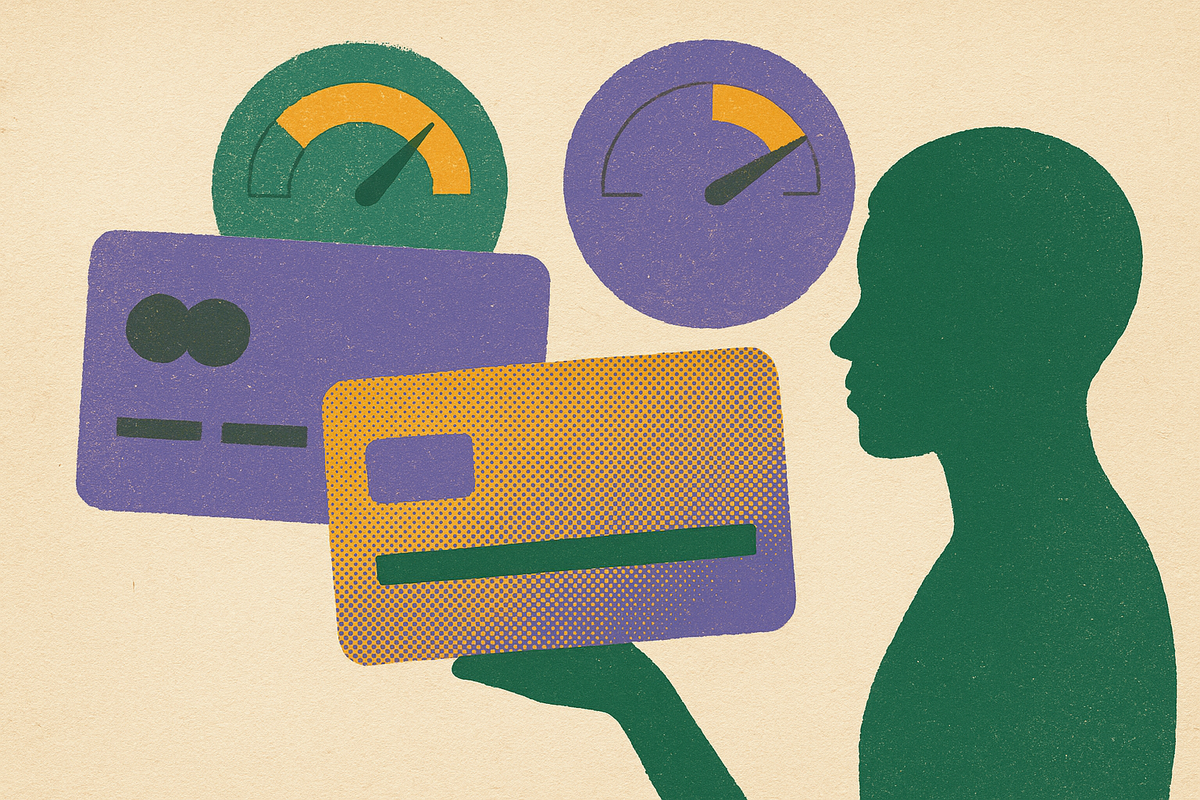
A credit report holds information, while a scoring model decides how that information changes a score. Getting a payment onto the report clears only the first hurdle. Only a minority of scoring models factor in utility payments, and most older models ignore them. Even correctly reported history can therefore sit unused when a lender evaluates an application.
Experian Boost can affect FICO Score 8 when that score is calculated from Experian data. That does not mean the benefit carries into a score drawn from another bureau or into a model that does not use those payments. A consumer can enroll, pay on time, and have every eligible payment reported without changing the score a particular lender uses. This is a limit on where the benefit applies. It also explains why a higher score from one service does not by itself establish that better loan terms will follow.
How Fannie Mae, Freddie Mac, FICO 10T, and VantageScore 4.0 are shifting the equation
Together, Fannie Mae and Freddie Mac cover default risks for a large share of U.S. single-family mortgages. Their scoring-model decisions therefore matter beyond any single lender. As more lenders use models that count rent and utility payments, those records can do more to help people who apply for mortgages. The change is underway, but adoption is not complete.
Fannie Mae approved lenders to begin using VantageScore 4.0 on conforming mortgages in April 2026, with a limited initial lender rollout underway. VantageScore 4.0 uses 24 months of trended data, which lets the model look at patterns over time. It also incorporates on-time rent and utility payments when they are reported to credit bureaus. That last condition matters as much as the approval itself.
FICO’s July 28, 2026 announcement stated that more than 70 mortgage lenders had committed to using FICO Score 10T. That model incorporates trended credit bureau data and rental payment history. Its appeal to lenders is financial as well as structural. At the portfolio level, it can enable meaningfully more approvals at the same risk level or a significant reduction in delinquencies at the same approval rate. Those potential gains give lenders a reason to adopt it, though a commitment is not evidence that every mortgage application already uses it.
Rent and utility records that many lenders would have ignored can now matter under the models that use them. But the models do not all accept the same information, and the rollout does not erase bureau differences. For someone whose situation supports enrollment, getting eligible payments reported now rather than later gives those models information to work with. It does not guarantee which model a future lender will choose.
The trade-off consumers have to weigh before opting in
Reporting is not automatically the right choice just because it is available. Chase’s 2026 explainer warns that when utility payments are reported, missed or late payments can also be reported and may hurt a credit score. That makes the handling of negative information part of the decision. Even someone who pays on time now may have a hard month later.
The risk also needs to be understood in the context of the actual service. Experian Boost’s described coverage is on-time payments, so a general warning about reported delinquencies should not be mistaken for identical rules across every program. When a service reports late payments, a missed bill may show up on a credit report before it goes to collections. The relevant trade-off is therefore the service’s reporting terms against the value of the history it adds. Treating all programs as interchangeable hides both the benefit and the exposure.
For consumers with established credit files and no immediate mortgage or major loan need, a small potential gain may not justify a recurring fee or added reporting risk. For credit-invisible and thin-file consumers who pay consistently and are approaching a major application, the case is stronger. The adoption of newer mortgage scoring models adds weight to that case without making the outcome certain. Fees still accumulate while the credit benefit remains conditional, and the price itself may rise. Knowing whether the service is still worth its cost takes attention after signing up.
What actually happens after you enroll — verifying the data lands correctly and stays accurate
Signing up starts the flow of payment information, but there is still work to do to help it build credit. Payments can be recorded wrong, left out, or no longer reported without notice. An on-time payment marked late requires the consumer to catch the error and dispute it. The bureau will not automatically identify that mismatch for you.
The subscription also needs watching separately from the payment history. Fees can increase, free tiers can end, and bureau coverage can change without proactive notification. A service may give you less for your money even if your bills and the way you pay them stay the same. Ongoing checks need to cover both what is being reported and what the reporting costs. Tools built for passive financial monitoring can support that continuing task, but signing up alone does not establish that the data is accurate.
Utility reporting creates an ongoing data relationship. Its value depends on accurate payments reaching a relevant bureau, a lender using a model that counts them, and costs and risks staying proportionate to the benefit. The credit system’s imbalance will not correct itself. Understanding the rules, choosing a service that fits your situation, and watching the resulting record puts you in a better position than either giving up or enrolling and forgetting.