Bill Smoothing Strategies Used by Low-Income Households
Rising utility debt forces low-income families to master bill-smoothing tactics.
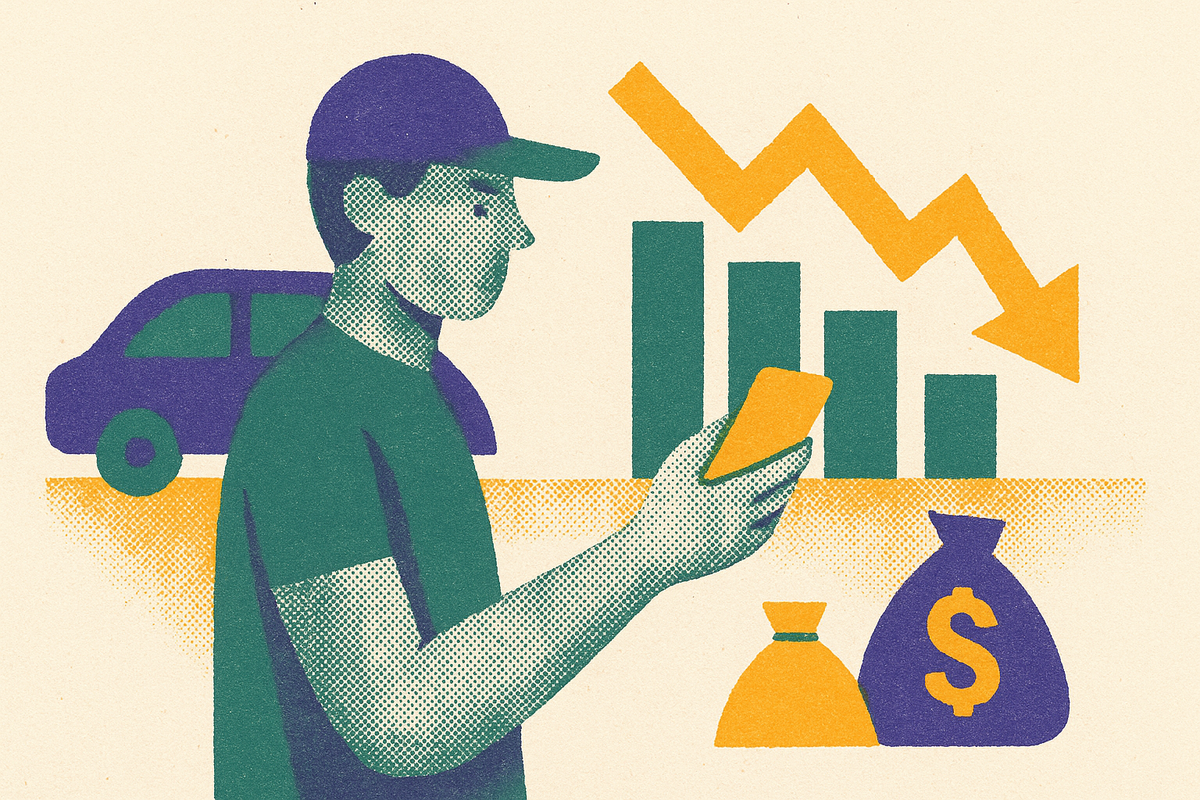
Household utility debt jumped from $17.5 billion at the end of 2023 to $23 billion by June 30, 2025. That's a 31% increase in about 18 months; NEADA data cited by RMI shows this. Roughly 21 million households, about one in six nationwide, are behind on their utility bills right now, and shutoffs are projected to climb from 3.5 million in 2024 to as many as 4 million in 2025.
None of that is a story about people who can't manage money. Low-income households spend about 6% of their income on energy, compared to roughly 2% for everyone else, the Department of Energy reports. Winter heating alone cost families an average of $976 this season, and $1,162 in the Northeast, up about 8% year over year according to the National Energy Assistance Directors Association. Rate increases have outpaced inflation since 2022. Data centers are pulling more load off the grid. Infrastructure needs maintenance, extreme weather keeps hitting harder, and supply chains still haven't fully settled. These are compounding structural forces, not one bad month. The rest of this piece walks through the actual tactics households use to flatten that pressure before it turns into debt.
What "bill smoothing" means and why it matters differently than budgeting
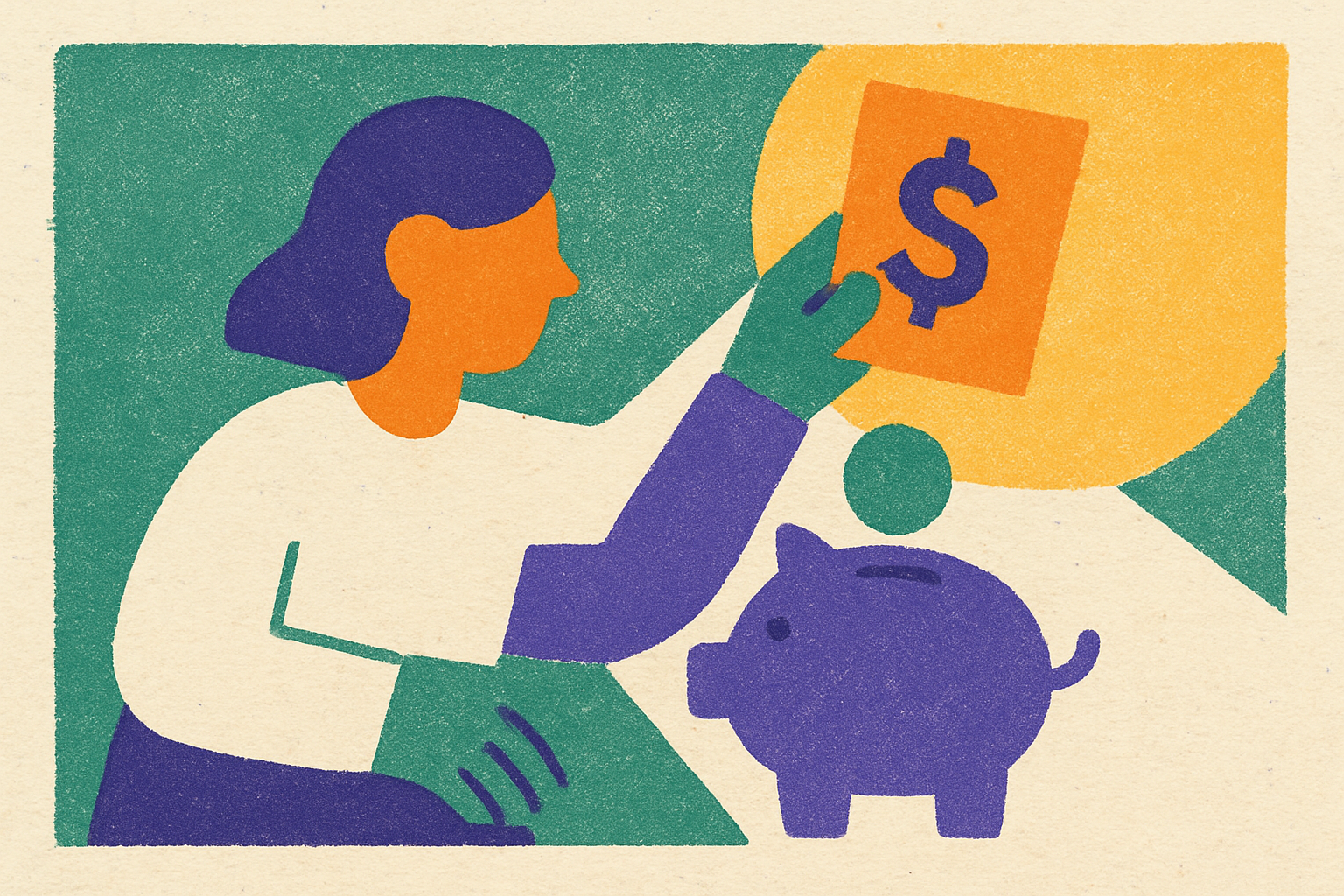
Bill smoothing means turning a bill that spikes into one that stays flat, or shrinking the underlying amount owed. Budgeting tracks what you already have and decides where it goes. Bill smoothing works earlier in the chain: it changes the shape and size of the bill before it ever lands.
For a household with thin margins, that difference triggers overdraft fees, a skipped car payment, and a shutoff notice. A $400 electric bill landing after four months of $90 bills doesn't just strain a budget line. It triggers overdraft fees, a skipped car payment, and a shutoff notice. This is a volatility problem, not just a cost problem. A family that could, on average, cover its yearly energy costs still gets flattened if one month triples without warning.
Two kinds of smoothing solve two different problems. Payment-side smoothing spreads what you owe across time, through things like budget billing or a negotiated payment plan. Cost-side smoothing shrinks what you owe in the first place, through rate assistance, weatherization, or stacked aid programs. Both matter. They just work on different levers.
Utility payment plans and budget billing: how averaging works and who qualifies
Budget billing, sometimes called an equal payment plan or levelized billing, takes a household's estimated annual usage and divides it into 12 even monthly payments. No more sharply lower bills in one month and much higher bills in another. Most major electric and gas utilities offer it, and some water utilities too, usually with no income requirement.
Once a year, the utility compares your estimate to actual usage in the annual "true-up." Once a year, the utility compares your estimate to actual usage. If you used more than projected, you owe the difference. If you used less, you get a credit. That's not a penalty; it's just how averaging balances out. Signing up mid-year can mean a bigger true-up bill later, so it helps to enroll right at the start of a billing cycle, ideally before the heating or cooling season ramps up.
Separate from budget billing: payment arrangements for households already behind. These are negotiated repayment plans for existing arrears, and many utilities are legally required to offer one before they can shut off service. Most people don't realize the terms, how long the plan runs, how big the down payment is, are often negotiable. A payment plan doesn't erase what's owed. It only changes the pace. That's smoothing, not savings.
Budget billing can quietly hide rising usage. A household on level payments might not notice their baseline estimate got revised upward at renewal, since the number on the bill barely moves month to month. The fix is simple. Call the utility directly and ask specifically for "budget billing" or an "equal payment plan." It's rarely advertised up front.
Percentage-of-income payment plans: the strongest structural protection, and where it exists
Percentage-of-Income Payment Plans, or PIPPs, cap a household's utility bill at a set share of income, usually around 6%, the same threshold researchers use to define a "high" energy burden. Only income-eligible households qualify. What sets PIPPs apart from a flat discount or a budget billing plan is that they adjust automatically as income or seasonal costs shift, instead of locking in a dollar amount that gets weaker every time rates rise.
ACEEE's analysis of Rhode Island puts real numbers on this. A family of four earning $48,000 a year pays somewhere between $2,332 and $4,467 annually in energy bills, depending on how much they use. A PIPP would save that family substantially more than what the maximum LIHEAP grant covers. And LIHEAP itself isn't reaching most of the people who qualify: more than three-quarters of the roughly 114,000 Rhode Island households eligible in 2023 got no assistance at all, because federal funding hasn't kept pace with energy prices. That pattern appears in most states' assistance programs, not just Rhode Island's.
Ohio ran the first PIPP back in 1983. More states have adopted the model in recent years, but it's still far from universal, and Rhode Island's own legislature was expected to take up PIPP legislation in 2026. It helps to know the other rate designs out there too, since state programs vary:
Tiered discounts lower the rate for income-qualified households, but the discount is fixed and doesn't move with income changes. Lifeline rates charge a lower per-unit price up to some baseline usage threshold, then switch to the standard rate above that. Flat discounts just knock a set dollar amount off the bill each month, simplest to run, but weakest over time since it doesn't grow when costs do. Some states have already moved away from flat discounts for that reason.
To find out what's on offer locally, contact the state public utilities commission, or search "[state name] low-income utility assistance program." Program names, income cutoffs, and benefit levels differ enough state to state that there's no shortcut around checking directly.
Layering assistance programs: LIHEAP, weatherization, and state and local program additions
LIHEAP, the Low Income Home Energy Assistance Program, is federally funded but administered by states, which means benefit amounts, application windows, and even whether funding runs out before your application gets processed varies by state and year. The program is under-resourced relative to demand. As noted above, the maximum grant in Rhode Island covers less than half of what a PIPP would save the same family, and some households get only a nominal amount. Most eligible households never see a dollar of it. There's also a policy question hanging over the program: the Trump administration proposed eliminating LIHEAP in 2026, and as of the most recent information available, that proposal remained pending. Households in states that lean heavily on LIHEAP should check the program's current status directly.
Weatherization works differently. The DOE's Weatherization Assistance Program provides insulation, air sealing, and efficiency upgrades at no cost to eligible households, going after the source of high bills rather than just cushioning the payment. CPS Energy's Casa Verde program in San Antonio is a good example of a utility extending that logic further: it offers no-cost services to any household spending 10% or more of its annual income on energy, a lower bar than some federal programs require.
ACEEE recommends a specific order of operations for stacking these programs. Start with no-cost weatherization and efficiency upgrades, since those attack the underlying usage. Next, apply for rebates and incentives, including federal Home Energy Rebate programs and utility rebates, many of which reserve their highest tiers for the lowest-income customers. Financing should be the last resort, and only through mission-driven lenders. ACEEE is blunt about this: loans are risky for low-income households because of credit disadvantages and the debt they add. Tariffed on-bill financing is an option in which a utility or third party pays for an upgrade and the customer repays it through a surcharge on the bill. That only makes sense if the efficiency savings actually beat the surcharge, so estimate those savings conservatively rather than optimistically.
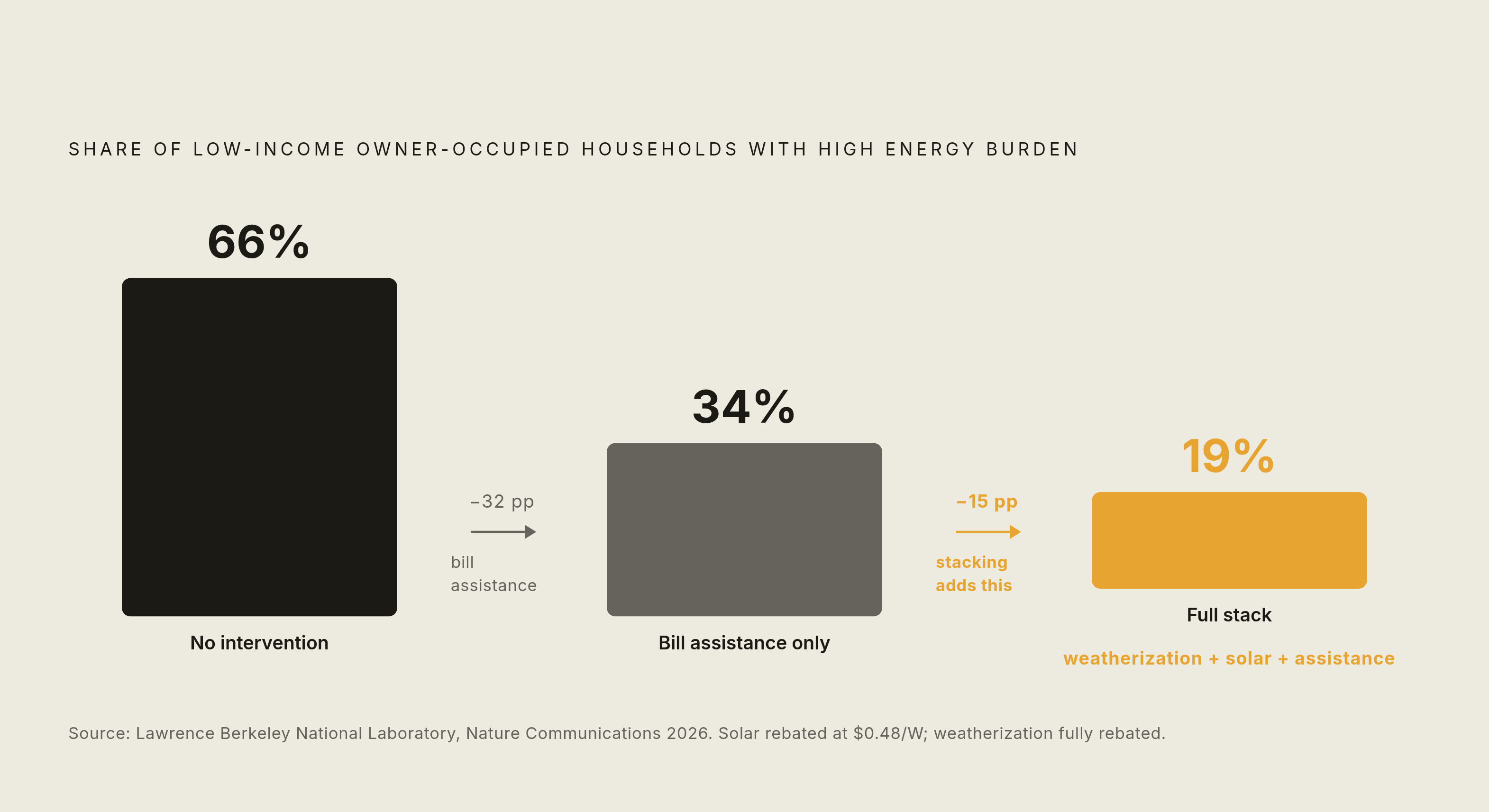
The 2026 Nature Communications study out of Lawrence Berkeley National Laboratory documents the payoff from stacking clearly. Fully rebated weatherization, combined with solar rebated at $0.48 per watt and bill assistance, cut the share of low-income owner-occupied households with high energy burdens from 66% down to 19%. Bill assistance alone only got that number to 34%, and the combined approach cost no more in net present terms. The lesson is straightforward: no single program closes the gap by itself. Apply for everything available at once. LIHEAP plus a PIPP plus weatherization does what none of the three can do on its own.
Subscription and recurring-charge audits as a bill-smoothing tactic
The average American now spends more than $300 a month on subscriptions and memberships. Over half of consumers, 52%, cancelled at least one subscription in the past year, and the average number of active subscriptions dropped from 4.1 to 2.8. Nearly half, 47%, say they're paying too much for what they actually use. And subscription fatigue, the sheer mental load of tracking too many recurring charges, affects around 41% of consumers in 2026. That fatigue is itself part of the problem: it's hard to cancel what you've stopped paying attention to.
Bill creep happens quietly. A promotional rate expires and rolls into the standard price without a heads-up. A streaming tier gets renamed and repriced. An add-on feature gets switched on by default. None of it requires fresh approval from the customer, just the fine print they agreed to at signup months or years earlier.
The audit itself isn't complicated:
Pull three months of bank and credit card statements and flag every recurring charge, no exceptions. Sort each one into three buckets: used regularly, used occasionally, not used. Cancel anything in the third bucket immediately, and for the "occasional" bucket, check if a pay-per-use option beats the monthly plan. Then repeat the whole process every quarter, because subscriptions creep back in. A one-time cleanup doesn't hold.
Free trials deserve their own line item, since they're one of the most preventable leaks. A calendar reminder set before the trial ends, or a virtual card number that expires before the trial converts, closes that loop for good.
44% of consumers cancel after a price increase, which means the majority just absorb it. Treating every price-increase notice as a trigger to review, rather than something to shrug off, flips that math.
Regulation hasn't caught up yet. The FTC's 2024 "Click-to-Cancel" rule got vacated by a federal appeals court in 2025 over Administrative Procedure Act violations, though the FTC has indicated it intends to continue pursuing bad subscription practices. The Unsubscribe Act, still in Congress, aims to cut down on surprise renewals. None of that is settled law yet, so self-monitoring remains the only reliable defense for now. Some banking apps and dedicated trackers now surface recurring charges automatically, and Mastercard research found 77% of consumers globally want that visibility built directly into their banking app rather than scattered across statements.
Price-drop refunds and retailer adjustment policies as a recovery tactic
Most major retailers will refund the difference if a price drops shortly after a purchase. It's one of the more underused savings tactics out there, mostly because so few people know it exists.
The specifics vary quite a bit by retailer. Apple gives a refund window of 14 days after the product is received, requiring contact within that window; it covers up to 10 units of a single product but excludes limited-time events like Black Friday and Cyber Monday. Best Buy offers a partial refund if an item drops in price at Best Buy itself or at a qualified competitor, including Amazon, Apple, Costco, Target, or Walmart, within the standard return window; holiday purchases made between October 31 and December 31 can be price-matched all the way through January 15, 2026. Costco gives 30 days to request a refund if it lowers the price on Costco.com, and Costco doesn't match other retailers' prices. Crutchfield allows 60 days to request a match by phone or chat if its own price drops after purchase. Target's 2025 holiday policy covers anything bought between November 1 and December 24 that goes on sale within that same window. Amazon, notably, no longer runs a formal price-drop refund program as of 2025 and 2026.
A few exclusions show up almost everywhere: clearance items, promo-code purchases, and special sale events usually don't qualify, and most retailers cap it at one adjustment per item. Policies shift without much notice, so it's worth double-checking terms at the time of purchase rather than relying on memory.
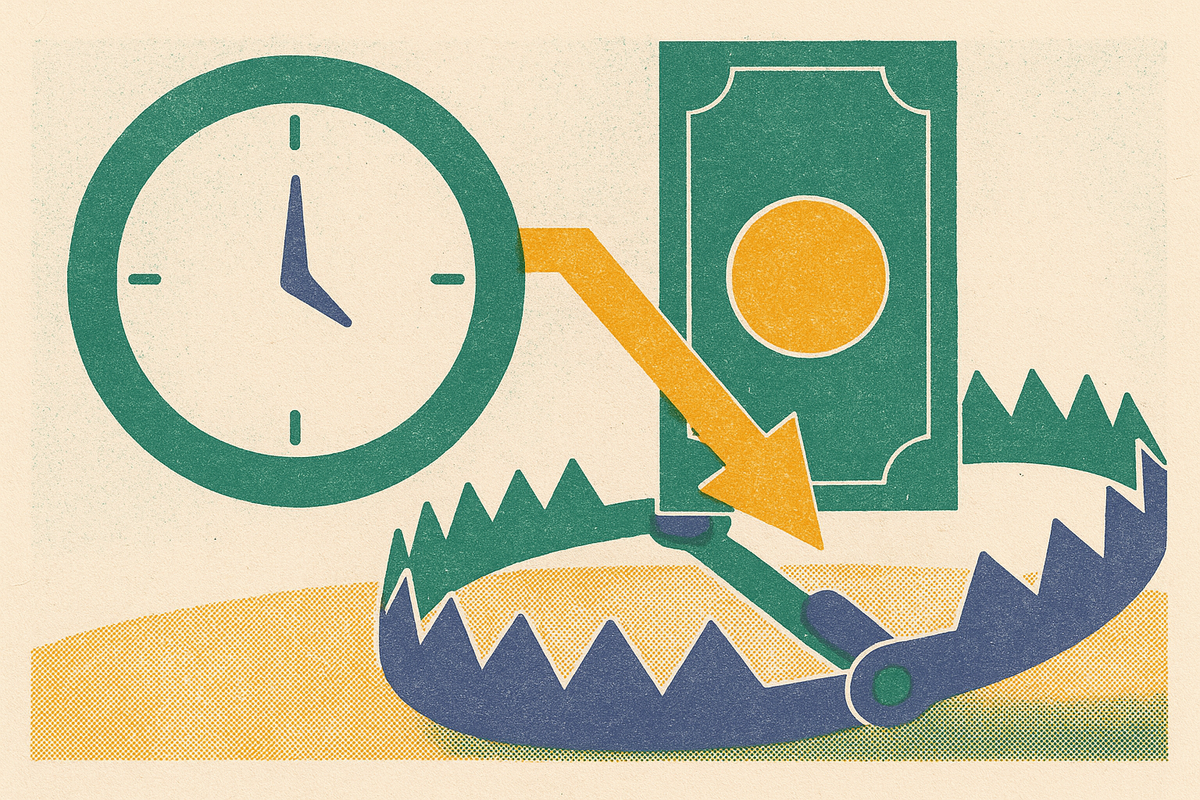
The real barrier isn't the policy, it's the clock. These windows run 14, 30, or 60 days, and nobody's tracking them by default. Buy something in November, forget to check again until January, and the window's already closed.
Late delivery credits and shipping guarantees that go unclaimed
Shipping guarantees work the same way price-drop policies do: the money's on the table, but almost nobody goes back to collect it. A retailer promises delivery by a certain date, the package shows up late, and the guarantee tied to that promise, a partial refund or a shipping fee waiver, sits unclaimed because the customer never files the claim.
The mechanism depends entirely on the retailer's own stated policy, which varies enough that no single rule applies across the board. What holds true generally is that these guarantees rarely trigger themselves. Someone has to notice the delivery date was missed, find the retailer's claims process, and file it within whatever window that retailer sets. That's the same failure mode as the price-drop refund: a real benefit, sitting behind a short window that requires the customer to act first.