SNAP Benefit Timing and Grocery Budget Strategy
Plan your shopping around deposit dates to stretch SNAP benefits through the month.
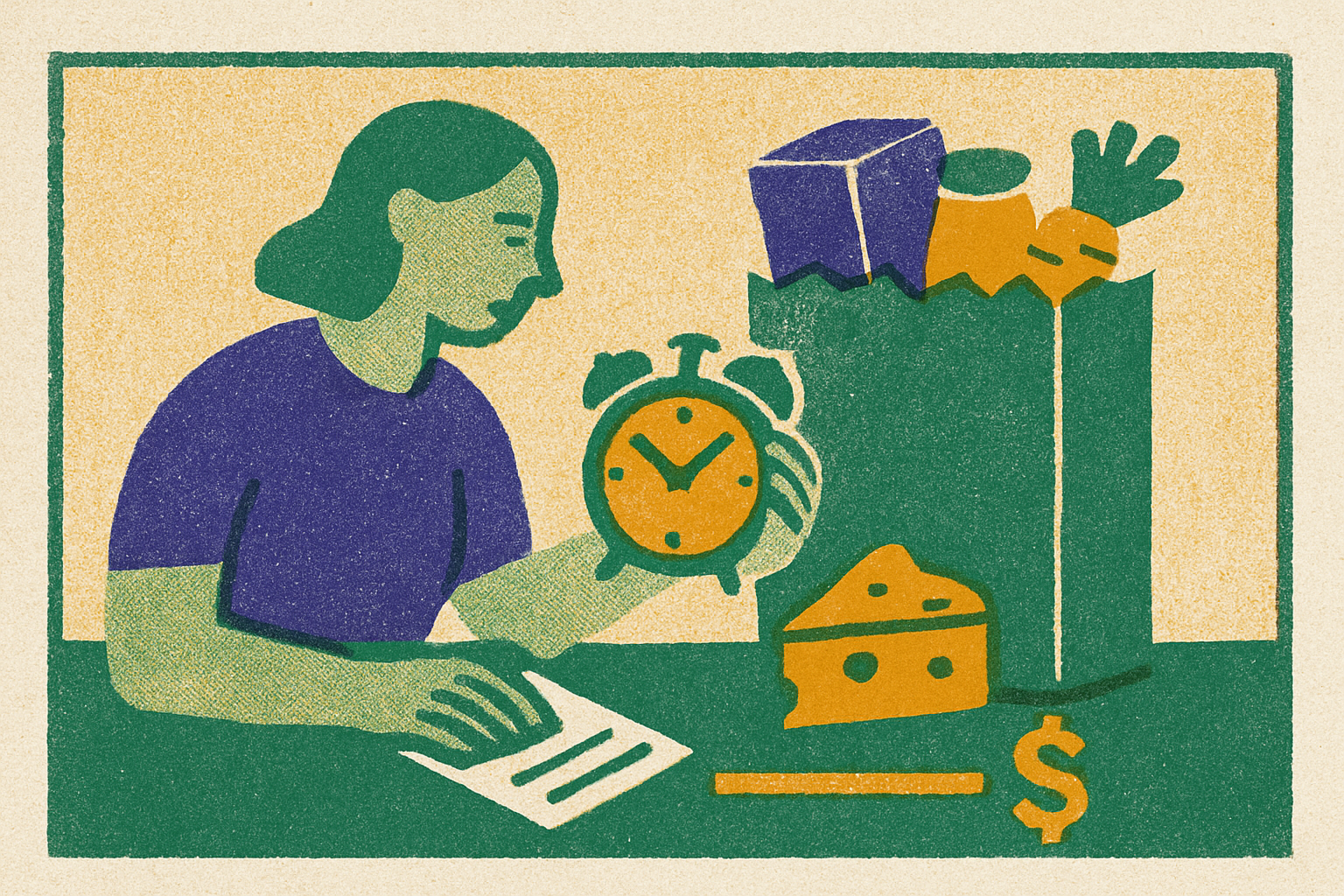
Knowing when SNAP benefits arrive gives you a starting point. Your money goes further when you plan around that date, buy staples first, leave room for fresh food later, and keep fees from eating into household cash. A monthly shopping rhythm turns a deposit into meals that last beyond the first rush to the store.
How states decide which day your SNAP benefits arrive
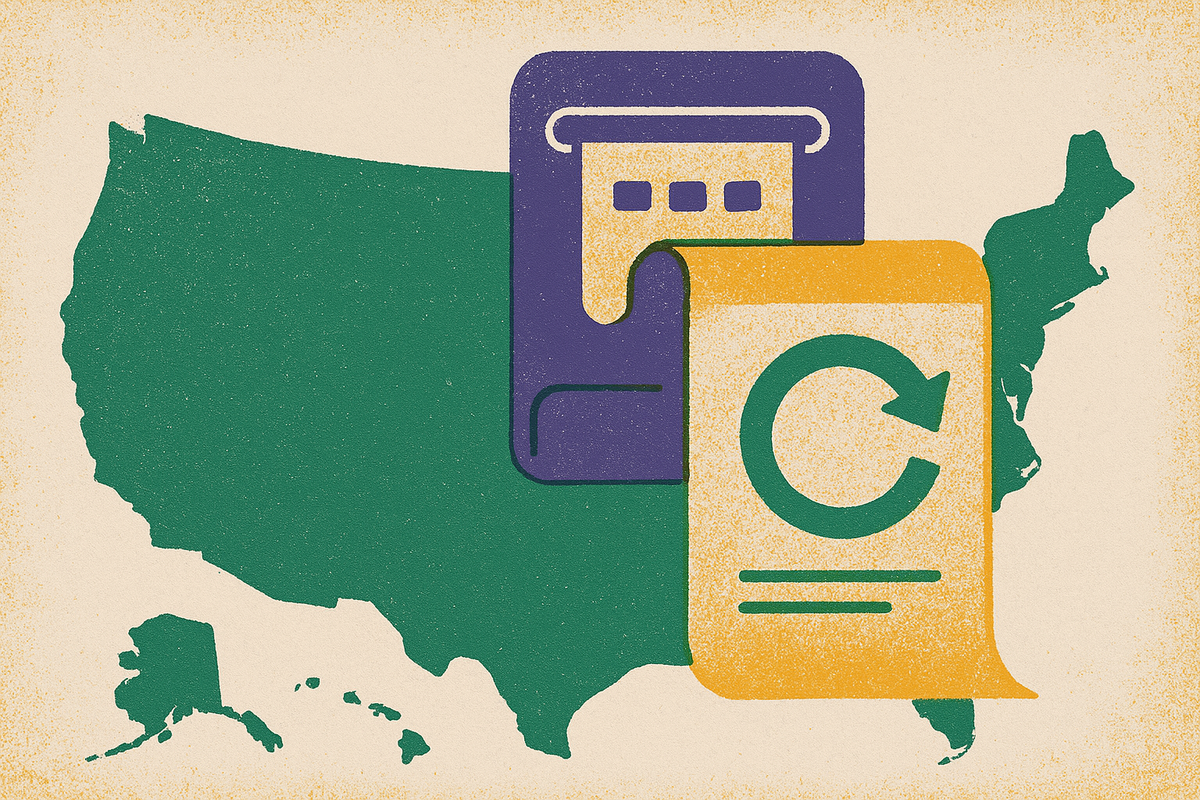
The USDA Food and Nutrition Service sets the federal framework for SNAP issuance, but states have substantial room to choose their schedules. Most stagger deposits to reduce system overload and grocery crowding, while some pay everyone on one day. Assignment methods differ, too. A state may use a case number, a Social Security number, or the first letter of a recipient’s last name. Arizona’s alphabetical schedule runs from the 1st–13th.
Texas uses an Eligibility Determination Group, or EDG, number, with two schedules tied to when a case was certified. Cases certified on or after June 1, 2020, use the last two digits and receive deposits from the 16th–28th. Older cases use just the last digit and get deposits from the 1st–15th. By comparison, New Jersey pays from the 1st–5th, while Alaska, Rhode Island, North Dakota, and Vermont pay everyone on the 1st.
Once you have a date, it stays the same as long as your case is active and recertification leaves the details used to set it unchanged. State policy can still change the schedule. Connecticut’s Department of Social Services spread deposits over more days starting March 1, 2026, under Public Act 24-82, to ease the crowding caused by making payments over so few days. For a household used to one date, that change may mean the old shopping schedule no longer works.
Exactly when funds hit the card on deposit day
In most states, benefits load between 12:00 a.m. and 6:00 a.m. on the scheduled date and are usable by early morning. The deposit happens automatically, with nothing to request or trigger. Weekends and federal holidays do not push it back because the EBT system runs every day. A processing center in another time zone can shift the effective midnight by an hour.
A zero balance at midnight is not proof of a missed payment. Check again after 6 a.m. before treating it as one. Use the official state EBT portal or the number on the back of your card for the most accurate real-time balance, since third-party apps may lag after a load. That check settles whether the money is available. The next task is deciding how much belongs in the first cart.
Why the days right after deposit are the worst time to shop without a plan
Staggered schedules spread store traffic, but they do not remove the rush. Stores near places where many people get benefits still have a rush they can expect on days when many deposits arrive.
Propel’s data on how often people check their balance shows sharp spikes on days when deposits are due among the millions of people who use its app. That shows people are watching closely for payments and suggests many are getting ready to shop right away. A full balance can then make it easy to spend too much. Without a list or a plan for spending, pricier items can use up too much money early on and leave less to choose from in the final week.
The 2025 government shutdown showed how thin that margin can be when benefits are disrupted. Weekly grocery spending among SNAP households fell during the shutdown before stabilizing. That disruption showed why having food left from earlier purchases is valuable when the next deposit cannot be taken for granted.
A two-trip monthly structure that makes benefits last the full month
A good plan to start with is one large trip for staples soon after the deposit and one smaller trip for fresh food roughly two weeks later. Aim for the first trip on the day after deposit rather than deposit day, when shelves are better stocked and lines shorter. Start with foods that provide the most meals per dollar, including rice, dried or canned beans, oats, pasta, canned fish and meat, frozen vegetables, and frozen proteins. These foods form the base of the month’s meals. They leave something to cook if later spending gets tight.
Buying larger quantities on that first trip can reduce per-unit costs and the need for more trips later. The second trip serves a different purpose. Reserve it for fresh produce, dairy, bread, and eggs, which will not all hold for a full month. Keeping it smaller and list-driven stops it from turning into another large shop that consumes the remaining balance.
Life can interrupt the schedule, and the value is having a default to return to. Unused SNAP benefits also roll over and remain available for several months from issuance. If food pantry use or shared groceries reduces spending one month, the leftover balance becomes a buffer for the next cycle. There is no need to empty the card just because the calendar month is ending.
Hidden costs that shrink the effective benefit before a single item is bought
Ordering groceries online can fit that rhythm, but SNAP cannot pay the fees. Under federal law, SNAP can pay only for eligible food. Delivery fees, service surcharges, driver tips, and expedited shipping require another payment method. Those charges reduce household cash available for everything else. Without enough money on the backup card, an order can also end in a declined transaction.
Substitutions create another possible cost after checkout. If an unavailable item is replaced with a more expensive one, the EBT balance updates after fulfillment. A non-food substitution instead triggers a charge on the backup card. The listed grocery total is not always the final household cost.
Some options remove particular charges without making every part of an order free. Thrive Market has a free membership for one year through its Thrive Gives program. Target Drive Up and Order Pickup are always free and require no membership. For any discounted paid membership, the calculation is narrower than the sales pitch. It makes sense only when the household orders often enough for delivery savings to exceed the membership fee.
Rebate apps and Double Up Food Bucks that stretch the balance further
Rebates offer a way to get value back from eligible purchases paid for with SNAP. Checkout 51 accepts SNAP-paid receipts and pays rebates by check, PayPal, or Venmo in the US once its redemption threshold is met. Receipt Hog and Coin Out also accept SNAP receipts. These are separate rebate opportunities. Their value depends on the receipt qualifying and the rebate being claimed.
Double Up Food Bucks offers a more direct boost to a produce trip at participating farmers markets. A staff member swipes your EBT card for the amount you choose to spend and provides tokens worth twice as much. That is a genuine 2-for-1 multiplier. This farmers market benefit requires an in-person visit. It fits well with the smaller mid-month trip for fresh food.
Returns work differently from rebates, and a refund that is slow to arrive does not mean the benefits are lost. Federal law requires a refund for a SNAP-paid item to go back to the EBT account. The process can take several business days because of network and payment processor delays. For a mixed purchase, each part returns to its original payment method. The SNAP portion goes back to EBT, while the other portion returns to debit, credit, or cash.
What to do when an expected deposit does not arrive
If the balance is still missing after the time when deposits post in the morning, follow the steps above to check with official sources. If those sources also show no deposit, contact the state SNAP office. Recertification is the most common administrative cause of a missed deposit, and a missed deadline can interrupt even a long-running case. Completing it on time keeps the case active and the assigned date intact.
Tools can help identify a problem, but the state office remains the main contact for resolving it. Propel, the company behind Fresh EBT, built an algorithm that detects an expected deposit that has not arrived and alerts the user in the app. It also put into use a California CalFresh triage flow with code written using AI, plus a separate AI chat assistant that people nationwide can use to get help based on their situation. The company’s randomized testing found meaningful improvements in time to the next deposit and same-month benefit restoration.
Propel also prototyped a tool using Anthropic’s Claude 3.5 Sonnet to help people interpret government notices when a case is flagged. It framed the AI prototype as a “legal aid attorney specializing in SNAP benefits. Such tools can help make a confusing notice easier to understand. They are secondary to finding out what the state needs to restore the payment.
How the 2026 policy environment affects the purchasing power behind the strategy
The One Big Beautiful Bill Act, signed July 2025, changed how SNAP’s costs are shared by making states pay some of the program’s costs and adding new work requirements. SNAP funding is projected to decline by billions of dollars in 2026, with reductions growing to tens of billions annually by the end of the decade. Early reductions are driven by work requirements. Having states share the costs puts pressure on the program over the longer term.
That pressure raises the stakes of a fixed grocery budget, but it does not make every household’s benefit change identical. The projected funding reductions are not a stated cut to each recipient’s monthly deposit. Recipients need to watch for changes in benefits and what recertification requires while planning what to buy with the money they have. A plan for buying groceries can help the money go a little further. It cannot make up for a cut in benefits or fix an eligibility problem.
How proactive monitoring closes the gap between knowing your deposit date and actually protecting your benefits
Knowing the schedule is useful only if changes and problems get noticed in time. Deposit dates, fees, rebate windows, and benefit notices each need attention at a different time of the month. A recipient managing all of them is doing substantial financial work. Much of that work is invisible because success means a fee never surprises the household, a refund is not overlooked, or a missed deposit gets addressed promptly.
That is the case for using automated monitoring where it can surface a problem. The same kind of attention that catches a missing deposit can catch a subscription renewal, an unclaimed delivery guarantee, or a price-drop opportunity before it expires. These are not all EBT transactions. They belong to the wider household budget that delivery charges and other costs also draw from. When food money is fixed, an unnoticed duplicate charge or unclaimed refund leaves less room elsewhere.
Monitoring still has to lead to action. An alert can point to a missing payment, but contacting the state office is what starts the work of resolving the case. A reminder can surface a rebate window, but claiming the rebate is what produces the return. The goal is to make the monthly shopping rhythm dependable enough that one missed notice or unexpected charge does not quietly undo it.