Forgotten Subscriptions Hit Hardest When Your Account Balance Is Already Zero
Forgotten subscriptions trigger cascading bank fees that hit hardest on the lowest balances.
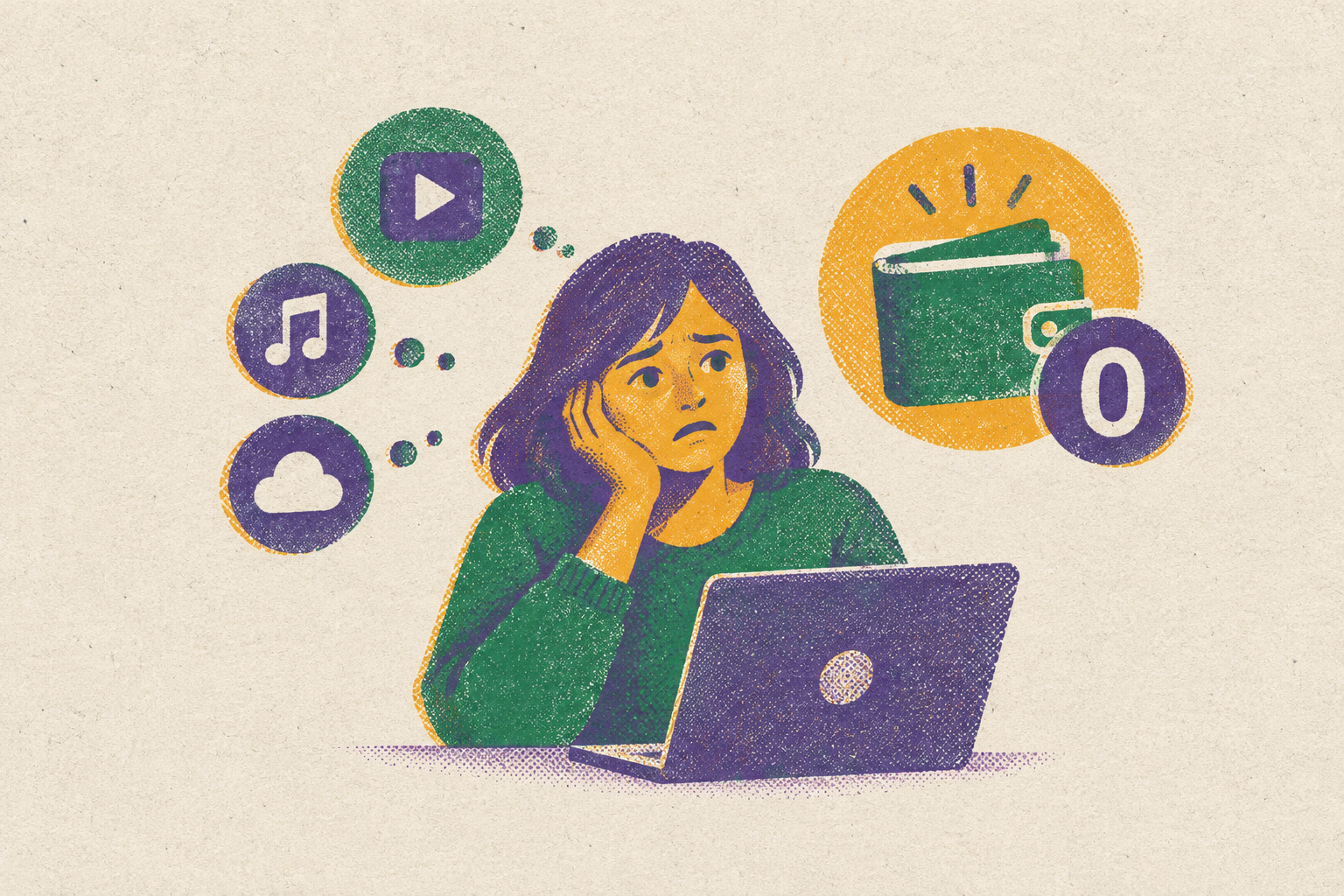
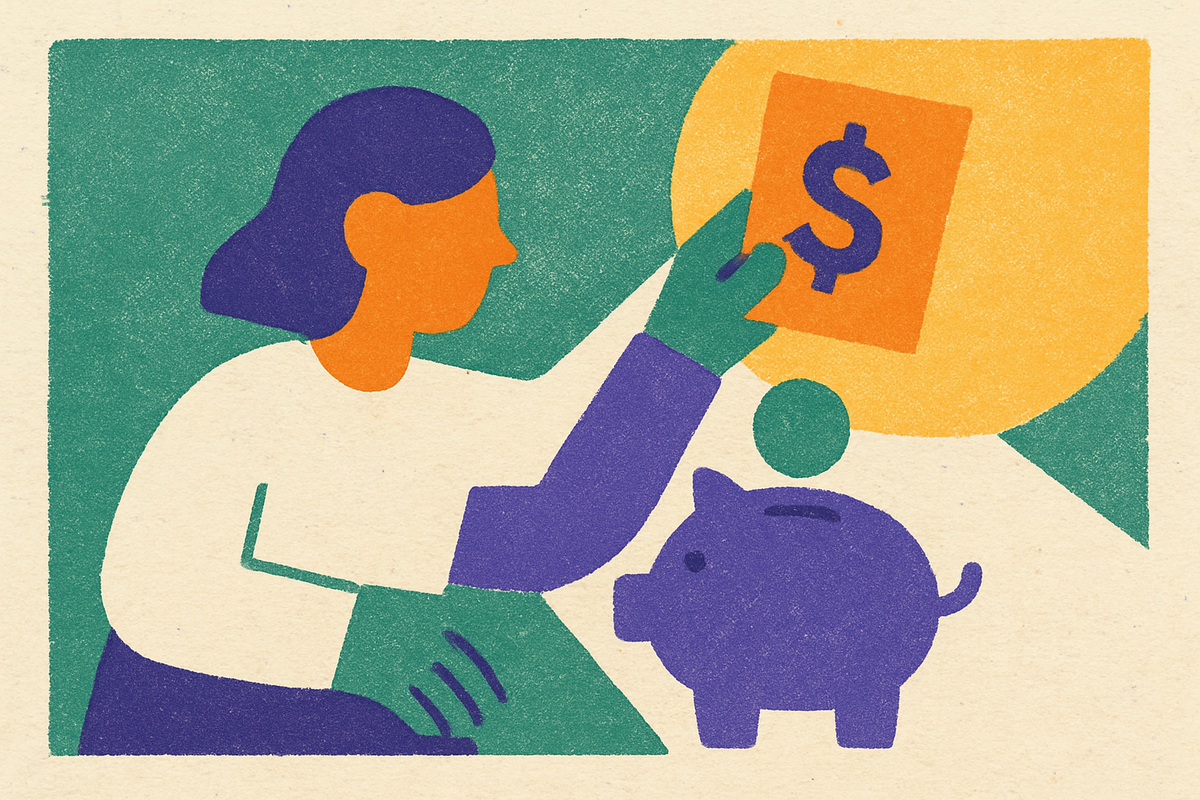
An app to find and cancel forgotten subscriptions is most useful when it flags upcoming charges before they reach your bank account. When the balance is near zero, a forgotten renewal can bring fees, bounced bills, and borrowing costs that far exceed its price. The reliable defense is ongoing monitoring before billing, paired with a clear way to act on unwanted charges.
How a forgotten subscription becomes a financial crisis when your balance is near zero
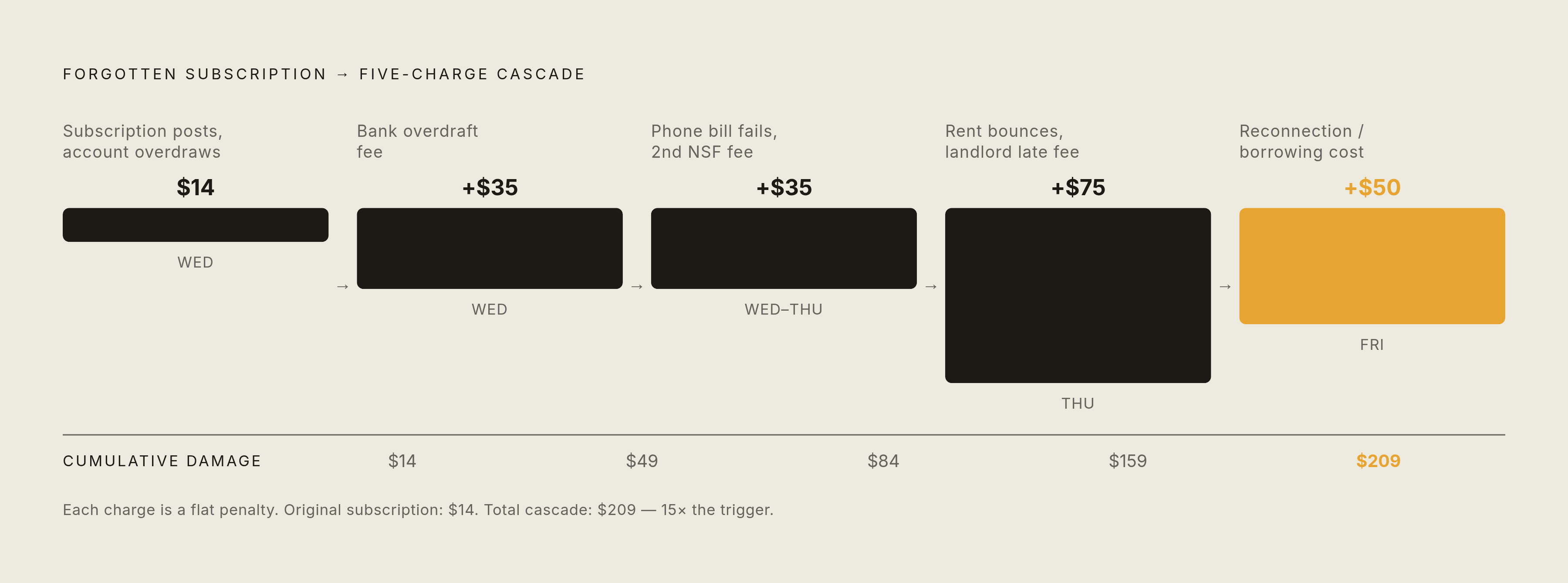
A small subscription renews on Wednesday, with payday two days away. The balance is almost zero, so the charge pushes the account negative and the bank adds an overdraft fee. Then a utility payment that was due fails, adding another penalty before Friday’s pay arrives. The subscription was only the first cost. This is a cascade, where one shortfall triggers separate charges from the bank and the businesses expecting payment.
An overdraft fee is a flat charge. A modest renewal can therefore produce a cost wildly out of proportion to the purchase itself. Once that fee takes more money from the account, the next payment is even less likely to clear. The original charge changes the conditions for everything behind it.
Opting out of debit-card overdraft coverage does not necessarily prevent this sequence. A consumer financial regulator establishes that recurring electronic payments can trigger overdraft fees even when a consumer has not opted in to coverage for one-time debit card purchases. That protection has a specific boundary.
Why auto-pay is structurally designed to make subscriptions invisible until they do damage
Auto-pay removes the moment when a customer actively decides to pay. That is also the moment when the customer might notice an unused service and stop buying it. Once billing is automatic, the customer has to do nothing to keep paying but has to notice and act to cancel. Forgetting is built into that imbalance.
Consumer Federation of America and allied organizations document these design choices in joint comments to the Federal Trade Commission. Sellers obscure the conversion from free trial to paid service, make cancellation difficult to find, and benefit from the gap between signup and the first charge. That delay separates the decision from its cost. Self Financial’s 2026 survey found that 21.7% of respondents said forgetting to cancel a free trial required borrowing money from a relative to cover the unexpected charge.
A small price rise on one service can go unnoticed, while rises across several services push up spending each month without a single new signup. AI-tool subscriptions are another easy charge to miss when they go from a free trial to auto-renew. Only a small fraction of U.S. households pay for any AI subscription, but Americans who do typically pay for multiple premium tools. The category is new to many budgets, but its billing pattern is familiar.
Why the damage lands hardest on households with the least room for error
An invisible charge becomes more dangerous as the available balance shrinks. With enough money in the account, an unwanted renewal may cost only the money wasted on it. Without that margin, it can become the trigger for penalties on unrelated payments. The fee does not shrink with income. Because it is fixed, it consumes a larger share of a smaller household budget, regardless of how small the initial shortfall was.
Lower-income consumers also face several overlapping sources of exposure. They tend to keep lower average balances, have more variable pay schedules, and rely more heavily on debit cards and auto-pay. Those conditions increase the chance that billing and available cash will fall out of step. Federal Reserve data show that overdraft fees fall disproportionately on consumers in mid-to-lower income brackets, while higher-earning households are substantially less likely to pay them in a given year.
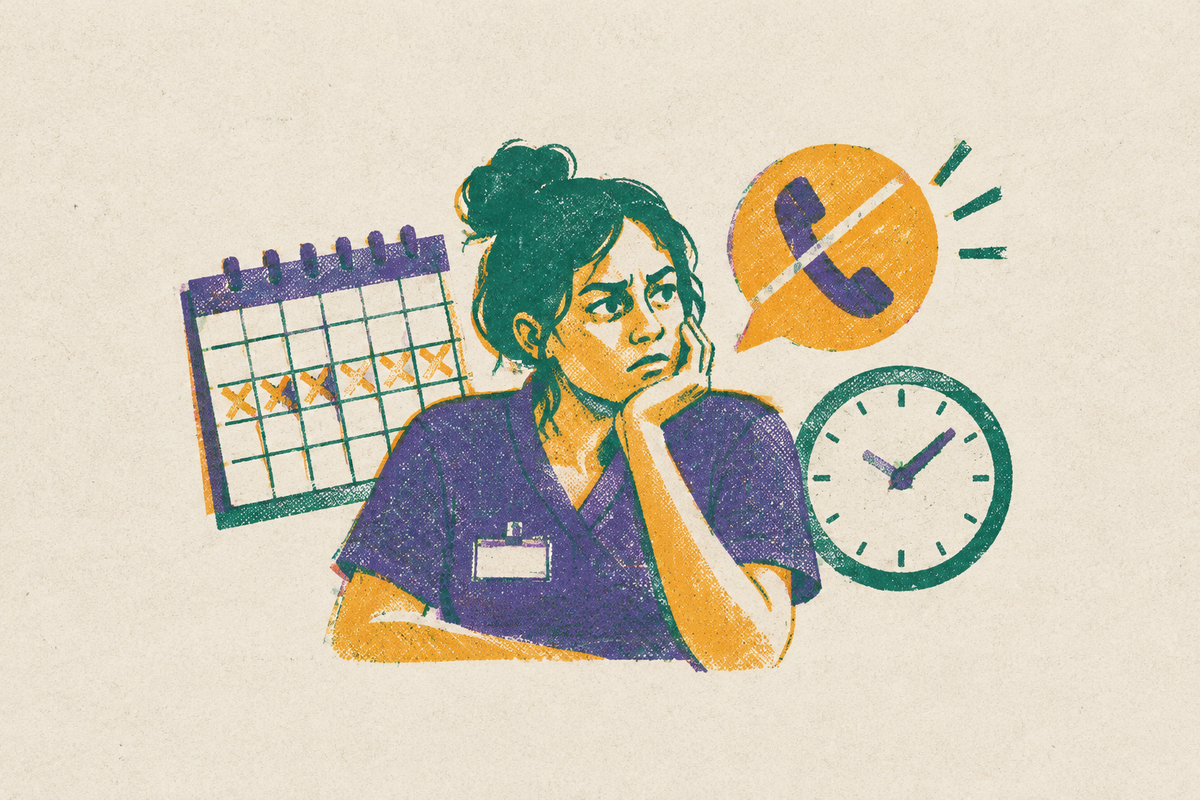
Timing can be enough to create the shortfall. A paycheck arriving Friday cannot cover a subscription that posts Wednesday, even if the household could afford the service after payday. When work schedules change, that mismatch is harder to avoid because it is harder to know when pay will arrive than when a recurring bill is due.
What the cascade actually looks like across a single billing cycle
Consider that Wednesday renewal as a possible sequence. The subscription charge posts and puts the account just below zero. If the bank pays it, it may add an overdraft fee. If the bank turns it down, it may charge an NSF fee instead, depending on its policy. Either way, a small shortfall can produce a separate flat penalty before the household has had time to respond.
Next, another recurring payment reaches the account. It could be the phone bill, a utility charge, or another subscription. With the balance still negative, that transaction may bring another fee under the bank’s policy. The second bill need not be wasteful or forgotten to deepen the problem. It simply arrives after the first charge and its penalty have used up the available money.
Then the damage spreads beyond the bank. A rent or utility payment can bounce, allowing the landlord or utility company to add a late fee. A utility may also schedule a service interruption. If service is cut, getting it turned back on can bring a reconnection charge, and taking out a short-term loan to get the balance above zero adds borrowing costs. By this point, one renewal can have produced four or five distinct fees.
Each charge appears to be a separate problem. The bank wants its negative balance repaid, the landlord wants the missed payment, and the utility wants payment before restoring service. Yet those demands may share one starting point, with a combined cost many multiples of the subscription price. If the negative balance remains unpaid, the bank may close the account, potentially affecting the consumer’s ability to open another account elsewhere.
Why catching a forgotten subscription before it posts is categorically different from dealing with it after
Before billing, preventing an unwanted charge can stop the first link in the chain. After billing, canceling the subscription does not erase penalties already imposed by the bank or another business. A bank may waive an overdraft fee if asked, but a waiver is not guaranteed and repeated relief is less dependable. A short-term cash advance can cover the shortfall, but the fee already charged still has to be paid.
Stopping payment also has a timing requirement. The CFPB says consumers can instruct their bank to stop a recurring payment at least three business days before it is scheduled. Once the charge posts, that advance window is gone. A dispute is not an equivalent fallback, either, because forgetting an authorized subscription does not make the charge unauthorized.
The FTC restarted its negative option rulemaking in March 2026, and New York’s FY2026 legislation requires cancellation to be as easy as signup. The Federation’s joint comments also called for express consent no more than six days before a free trial converts to paid billing. These changes and proposals target how consent and cancellation work. They do not remove today’s risk of a forgotten charge reaching an empty account.
Manual checks can prevent that outcome when done in time. Reviewing several months of statements, setting calendar reminders, and assigning virtual cards to services can all help. Manual checks require sustained attention. A completed audit does not watch the next trial or the next renewal, so ongoing automated monitoring is the defense that matches an ongoing billing system. It still needs to surface the problem early enough for action.
What should an app to find and cancel subscriptions actually do?
A proactive subscription tool watches billing without requiring the customer to remember to check. It should find recurring charges across the bank accounts and cards connected to it, including services the customer has forgotten buying. It should flag approaching trial conversions, price increases, and duplicate spending such as both partners paying for the same service. Coverage comes before convenience. A tidy view of only the subscriptions someone remembers leaves forgotten charges undiscovered.
The next distinction is between information and action. A useful finding includes a specific dollar amount and a clear next step, rather than leaving the customer to interpret a dashboard. For someone looking for an app to cancel subscriptions, finding a charge, warning before renewal, and helping start the cancellation are separate things the app can do. A record of past spending is not an advance warning. Tools can be compared by whether they support those tasks continuously.
Account access raises a separate security question. Read-only monitoring lets a tool look at account data without letting it make transactions or change the balance. That is the appropriate design for detecting recurring charges. Transaction access is a different permission with greater risk, and it should not be confused with the access needed to surface findings. Read-only access also should not be mistaken for a promise that the tool can cancel every service itself.
ScribeUp embeds subscription-management technology into banking apps, rather than establishing that every consumer needs a separate app. ScribeUp reports that its members are meaningfully more likely to initiate a cancellation than they were a year ago. That finding supports the narrower point that surfacing subscription information can help people act even when they take the final step themselves.
Practical steps to reduce cascade risk now, before an automated tool takes over the monitoring
To reduce exposure now, begin with several months of statements from every bank account and card. List each recurring charge and sort it into services used actively, used rarely, and left unused. Pay close attention to the middle category. Rarely used subscriptions are easy to leave untouched because they still feel potentially useful, even when their renewal could displace an essential payment.
For new free trials, use a dedicated virtual card with a spending cap set at the trial price. A declined conversion charge can force a conscious decision about renewing. For a service worth keeping, check whether pausing is available before canceling. Recurly’s 2026 State of Subscriptions report, based on tens of millions of unique subscribers, found that use of pause-before-cancel options grew sharply and most customers who paused came back in time. A pause can remove a charge from the billing cycle without making the break permanent.
If the end-of-week balance is regularly below one day’s expenses, make overdraft settings a priority. Turn off coverage for debit card purchases where possible so those purchases are declined, avoiding an overdraft fee. That step has a limited scope. Recurring electronic payments can still bring overdraft fees, so even after changing the setting, you still need to find unwanted renewals.
Calendar reminders and checks of statements can still help with that work. But maintaining them across eight or more services and multiple payment methods creates a standing job for the consumer. Automated monitoring takes over the repeated checking, while clear alerts leave the decision about what to keep or cancel with the customer. The practical standard is whether the warning arrives before billing, with enough time to act. Near zero, a cancellation prompted by an overdraft notice is already late.