Canceling Recurring Charges Without a Buffer to Absorb the Timing Lag
Cancellation delays can trap consumers without savings into paying unwanted charges.
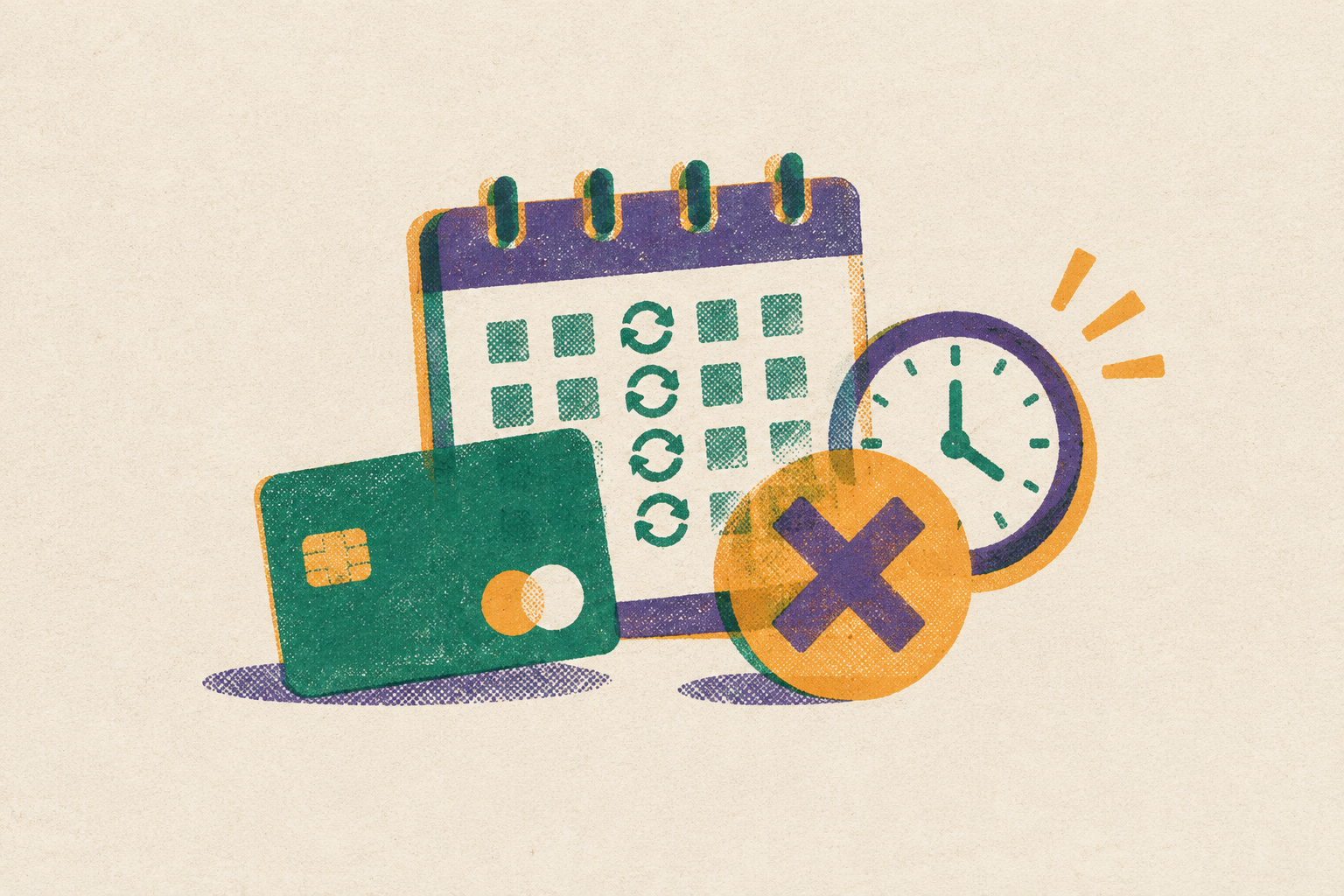
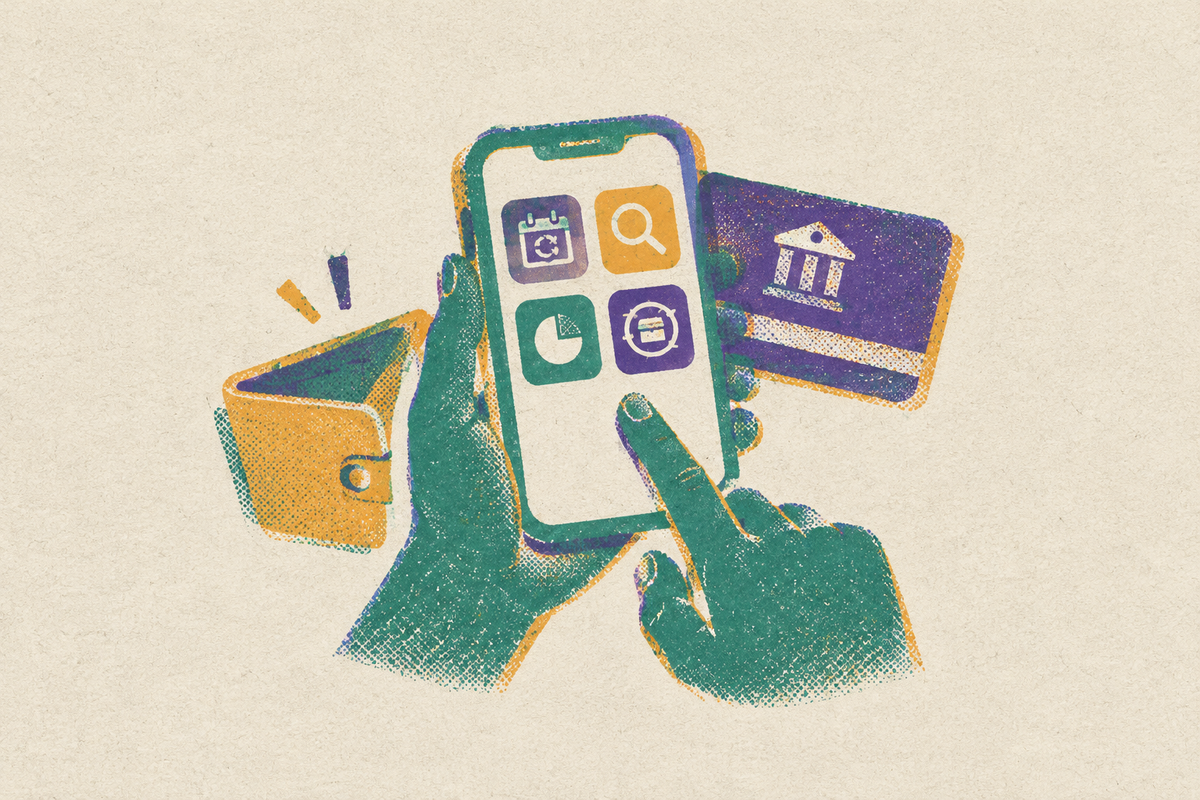
An app to cancel subscriptions should help you find recurring charges, track renewal dates, and check when billing stops, as well as send cancellation requests. When there is no financial buffer, canceling means closing the gap between asking to leave and stopping the next charge. That gap is built into recurring-charge systems, and a request made after renewal may be too late for a refund.
How recurring-charge systems are engineered to delay the moment billing stops
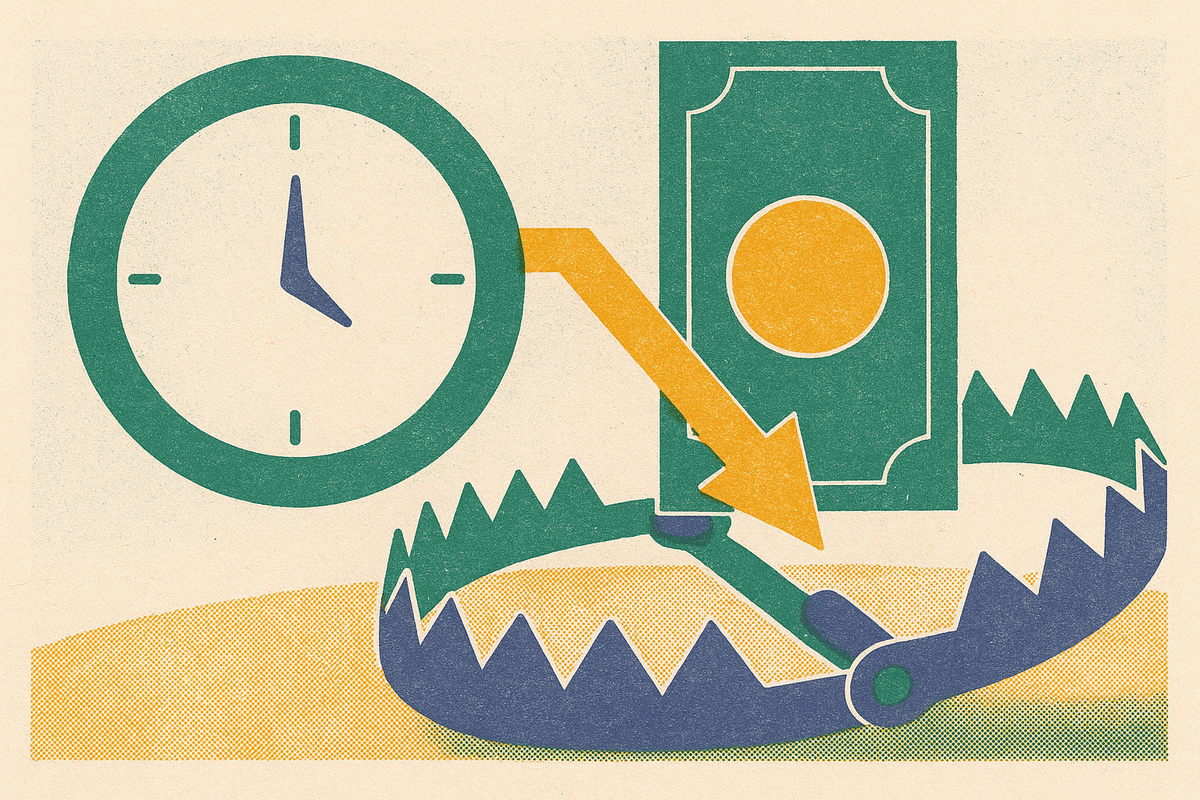
The gap between a cancellation request and the end of billing is a structural feature of recurring-charge systems. Enrollment starts the payment relationship, but cancellation can take more steps and more time, with a further wait for the effective date when that relationship ends. The two processes are not built alike. A consumer can finish the act of asking to cancel without reaching the point at which the system stops billing.
The 2026 research paper Cancellation friction and consumer protection in subscription markets names two ways that firms control how hard it is to cancel. One makes it cost more to leave through Early Termination Fees, multi-step cancellation flows, and verification requirements. The other exploits inertia through default auto-renewal, limited attention, and payments that are easy to overlook. Both put the burden on the consumer. The first can obstruct a decision already made, while the second delays the decision by keeping the ongoing cost out of view.
Small automatic payments make that second mechanism work especially well. When a charge sits among many others, the time between being billed and recognizing the payment can stretch. The consumer takes time to spot the charge, then more time to cancel. By then, the system may already have processed the renewal the consumer wanted to avoid. The problem therefore includes both the time needed to notice a charge and the time needed to stop it.
Why the timing gap is widest for consumers who carry no financial buffer
A financial buffer gives a consumer room to absorb a charge while the cancellation takes effect or a refund question is resolved. Without that room, the timing gap becomes an immediate shortfall. Money the consumer thought would still be there has already gone.
The 2026 research identifies this unequal burden as a consumer-vulnerability concern. Cancellation friction concentrates harm among people with the least capacity to absorb it. That exposure is harder to judge when the recurring total is already larger than the consumer believes. A 2026 study found that 90% of consumers significantly underestimate their monthly recurring-charge spending, typically guessing roughly a third of what they actually pay. They decide how soon to cancel with an incomplete picture of how much money they could lose.
That picture can become less accurate over time. Promotional prices give way to standard rates, small fee increases go unnoticed, and add-ons enabled by default push up the total paid each cycle. This is bill creep. A consumer may remember the price they accepted while the billing system collects a different amount. With no buffer, a charge above the price the consumer remembers is harder to cover when there is already little time left to cancel.
Where the timing gap widens most: the specific structures that extend it
The conversion date is fixed at signup, and the charge fires automatically on the first day of the paid period. A day can make the whole difference. Canceling the day after conversion can mean absorbing a full billing cycle, even if the consumer never intended to pay. Not knowing the exact conversion date leaves the consumer navigating a deadline the billing system already knows.
Annual plans stretch the problem in another direction. A consumer canceling mid-year may already have paid for months of service they will not use, with no refund available under the plan’s terms. Where an Early Termination Fee also applies, leaving can introduce a separate cost that changes the cancellation calculation. A federal agency announced in March 2026 that Adobe had agreed to a settlement resolving allegations that it hid its Early Termination Fee in fine print and made cancellation difficult. The FTC’s complaint stated that consumers were not informed of the fee at signup.
What looks like a choice to stay or leave can become a choice to pay for unwanted service or pay an exit fee. This is exit-cost escalation in concrete form. It differs from losing access to prepaid service, although both can make an annual commitment expensive to unwind. The plan’s terms set which cost the consumer has to pay.
Other systems widen the gap through the effective termination date. A platform may process a request immediately but set the subscription’s end to the close of the current billing period, leaving that period billable despite the cancellation. A confirmation is not necessarily an immediate stop. Household duplicates create a different trap, because two people may independently pay for the same service. When one account is canceled, the second keeps being billed, even though the household thinks it has stopped paying for the service.
What happens when the cancellation arrives after the charge: the dispute window and its April 2026 restriction
A credit-card dispute is a backstop. The instrument for a post-cancellation recurring charge is a “cancelled recurring” dispute, with a fixed window measured from the transaction processing date. It also limits the refund to the unused portion of the service. Timing applies at both ends of the process. The consumer needs a cancellation that qualifies and a dispute submitted within the applicable window.
Visa’s April 18, 2026 rule change makes the order of events decisive. Under that rule, a dispute is treated as invalid if the cancellation came after the date of the charge. A consumer who acts quickly after seeing a renewal can still be too late for this particular dispute route.
That restriction should not be confused with a claim that every possible refund route disappears. It narrows the specific cancelled-recurring remedy described here. For that route, even proof that the consumer acted right after renewal falls short of the need to cancel before renewal. The record needs to establish the right sequence. This is why a dated cancellation record and the actual termination terms become important when a charge is challenged.
The FTC’s enforcement record shows that confusing cancellation and refund conditions have drawn action beyond a single company. Instacart’s December 2025 $60 million settlement included allegations that “cancel anytime” language was effectively illusory because consumers who tried to cancel still faced narrow refund conditions. Chegg’s $7.5 million settlement involved allegations that consumers were billed after cancellation through a confusing flow. These were not simply complaints about forgotten subscriptions. They concerned systems in which trying to leave did not reliably produce the result consumers expected.
How do you stop unwanted recurring charges before the next renewal?
The practical response is to work backward from the exact renewal date, rather than treating the day you decide to cancel as the controlling date. Your cancellation must precede it, with enough time for the flow to finish and the termination to take effect. You need to establish that billing will stop before another charge becomes due.
For a free trial, use the conversion date as the renewal date and set a calendar alert at least two to three days ahead. The alert belongs before the deadline. That margin allows for processing delays in the cancellation flow. The precaution addresses a common failure, with 42% of consumers admitting they were charged for a free trial they meant to cancel. An intention to leave cannot stop an automatic conversion.
Find out whether the platform offers a prorated refund or treats the prepaid amount as non-refundable. Then compare what immediate cancellation saves with staying through the paid period. The refund terms determine the useful timing. For annual plans, contracts, and early-access pricing with known Early Termination Fee structures, read the cancellation terms before starting the flow, rather than discovering the fee after pressing the cancel button.
Once the request is complete, screenshot or download a confirmation with a timestamp. Email alone is easy to lose as proof because confirmation messages can disappear. A timestamped capture preserves evidence that the cancellation predates the next renewal. However, the record must also be read for what it actually confirms. “Your subscription ends on [date]” is not the same as “your subscription has been canceled immediately.”
Check that effective termination date against the next billing date. If billing falls before termination, another charge will still land. A successful request and a completed stop are different milestones. Verification means checking which milestone the confirmation establishes, rather than assuming the word “canceled” settles the question. That distinction is especially important when there is no spare money to absorb a charge while the account’s status is sorted out.
Why permanent surveillance, not a one-time audit, is the only way to stay ahead of the gap
A one-time audit only captures the subscriptions visible at that moment. New recurring charges can accumulate afterward, and renewal dates can shift. The timing gap resets with each billing cycle. Even a service the consumer deliberately keeps can produce an unexpected amount when a price rises, a tier is renamed and repriced, or an add-on is enabled by default. No new signup is needed for the next renewal to become more expensive.
The research on cancellation friction identifies limited attention as a structural contributor to consumer harm. Monitoring every charge, notice, and deadline is a continuing burden. That burden is part of what the system exploits. A consumer can understand the rules and still miss a brief email or a trial’s conversion date. Knowledge helps, but it does not provide continuous attention.
The strongest objection is that much of bill creep is legal when the service gives adequate notice. A price increase may be disclosed in fine print or a brief email. Legal notice is not necessarily actionable notice. If the consumer misses it, the higher charge still comes when it is due. The need for monitoring therefore does not depend on proving that every unwanted increase was unlawful.
For someone choosing an app to find and cancel subscriptions in one place, the useful comparison is between discovery, cancellation help, and ongoing monitoring. Discovery finds payments the consumer has forgotten, while cancellation help takes them through the steps to leave. Monitoring serves a different purpose after that work is done. A system that watches on the consumer’s behalf flags price increases before billing, surfaces trials about to convert, and identifies charges that arrive after a cancellation was confirmed.
Canceled recurring transactions made up 40% of all disputes on general-purpose credit cards in 2024. A cancellation receipt alone cannot show whether the next charge will match the consumer’s expectations. For someone without a buffer, a warning needs to come before money leaves the account. That is the standard a subscription-management app needs to meet.