Why Charges You Forgot About Always Land on the Worst Possible Day
Subscriptions exploit billing invisibility to charge you when money is tightest.
An app to cancel subscriptions should help you find recurring charges across your accounts and turn unwanted payments into clear cancellation actions. But stopping forgotten charges also requires monitoring for what changes next. This is why those charges seem to land on the worst possible day, and why a one-time cleanup cannot fix a system built to keep billing out of sight.
How the subscription economy engineers its own invisibility
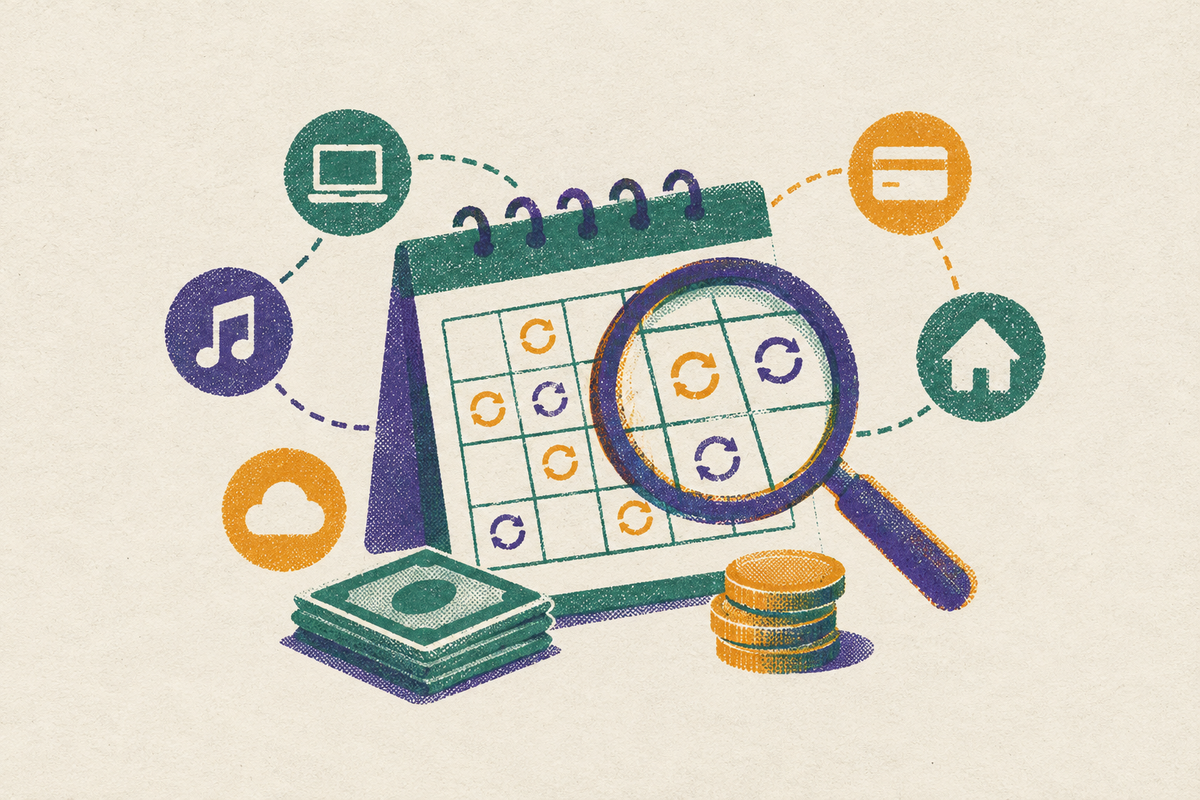
Americans spend 2.5x what they think they spend on subscriptions each month. The charges are split across many modest line items, spread across payment methods and staggered billing dates. Each payment can look too small to question, while the total never appears as a single purchase requiring a decision.
Auto-pay is the keystone of that design. A majority of consumers have all their subscriptions set to auto-pay, so payment happens before anyone asks whether the service still earns its place. Enrollment requires a decision, but continued spending does not. The perception gap also persists among financially literate consumers, which weakens the easy explanation that people simply need to pay more attention. Knowing how to budget does not make scattered, automatic charges present themselves as one visible bill.
Why the worst-day timing is a scheduled outcome, not a coincidence
Renewal dates follow signup dates. A charge that felt painless when a service began keeps its schedule even when the consumer’s financial rhythm changes. It does not move because that week is thin. The collision is therefore predictable, even if the particular bad day is not.
Annual plans make that mismatch especially sharp. They offer a discount against monthly pricing, but the eventual payment arrives as a lump sum after the purchase has faded from memory. Free trials create another delay between the decision to sign up and the experience of paying. Self Financial’s 2026 survey found that a majority of participants had forgotten to cancel a free trial at some point, leaving them in a paid subscription.
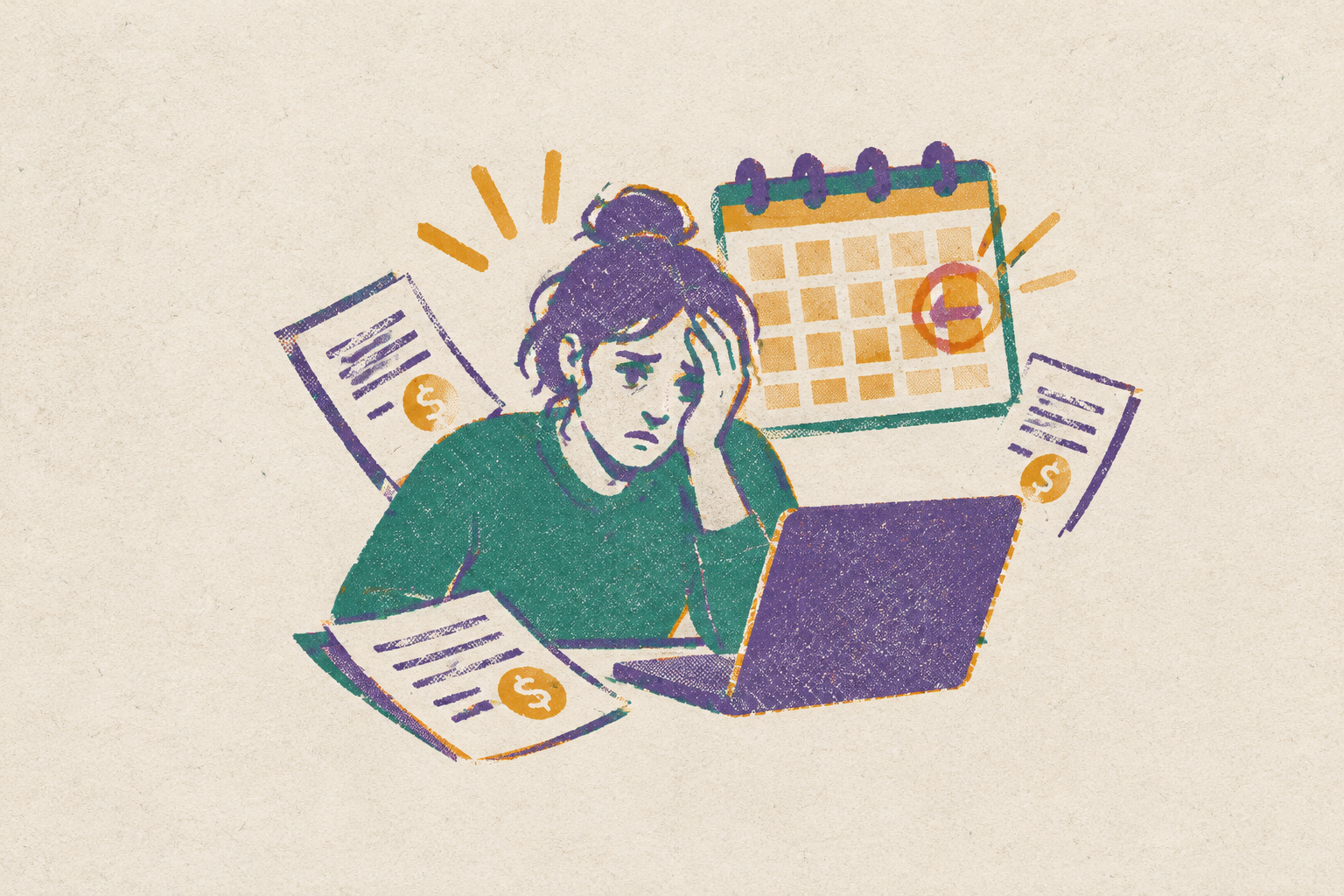
A 2026 survey found that 37.8% of people caught by an unexpected subscription charge cut back on other spending. For more than a fifth, it meant borrowing money from a relative. An automatic renewal can also lead to overdraft fees, put off spending on essentials or add to what someone owes on their cards. The service keeps its billing date, while the household has to rearrange everything around it.
How quiet price increases make a fixed subscription stack steadily more expensive
Small, staggered increases can stay below the point that prompts cancellation while pushing the combined bill higher. The consumer recognizes the service name and lets the payment pass, but recognition is not the same as checking the amount. Once the old price fades from memory, the higher one becomes the background cost of keeping things as they are.
Netflix, Disney+, HBO Max, Paramount+, Peacock and Spotify raised rates in the late-2025 wave of streaming increases, with increases of several dollars per tier. Households could therefore pay more without adding a service. The same pattern reaches beyond entertainment into software, where AI features are being embedded in existing tools at premium prices whether users requested them or not.
Microsoft 365 commercial plan prices increase on July 1, 2026, across tiers including Business Basic, Business Standard, E3, E5, F1 and F3. Business Premium and Office 365 E1 held flat. Zylo’s 2026 SaaS Management Index reported that spending on AI-native applications rose sharply in a single year. Much of that spending was absorbed into tools already in use at higher prices.
The unused subscription: paying for something that stopped delivering value without a clear moment of decision
Think of a meditation app bought during a stressful week. It gets used daily, then weekly, then not at all, while its billing continues unchanged. Nothing in that gradual retreat demands a cancellation decision. The service was useful when purchased, and that remembered usefulness can outlast actual use. This is different from forgetting that a subscription exists.
Self Financial’s 2026 survey found that a majority of respondents had at least one paid subscription going unused each month. Unused is not the same as underused. The payments keep going because a subscription lets someone keep paying without using the service, so there is no natural cue to decide again. A service does not have to remain part of daily life to remain part of the budget.
Businesses call it shelfware when tools renew year after year even when almost nobody uses them, and one person’s forgotten trial can leave the company with a bill it finds months later. Households have their own version of this blind spot. One person subscribes, nobody else uses the service, and nobody tracks whether the original user still needs it. The missing element is ownership of the ongoing decision.
Dark patterns that make canceling harder than signing up
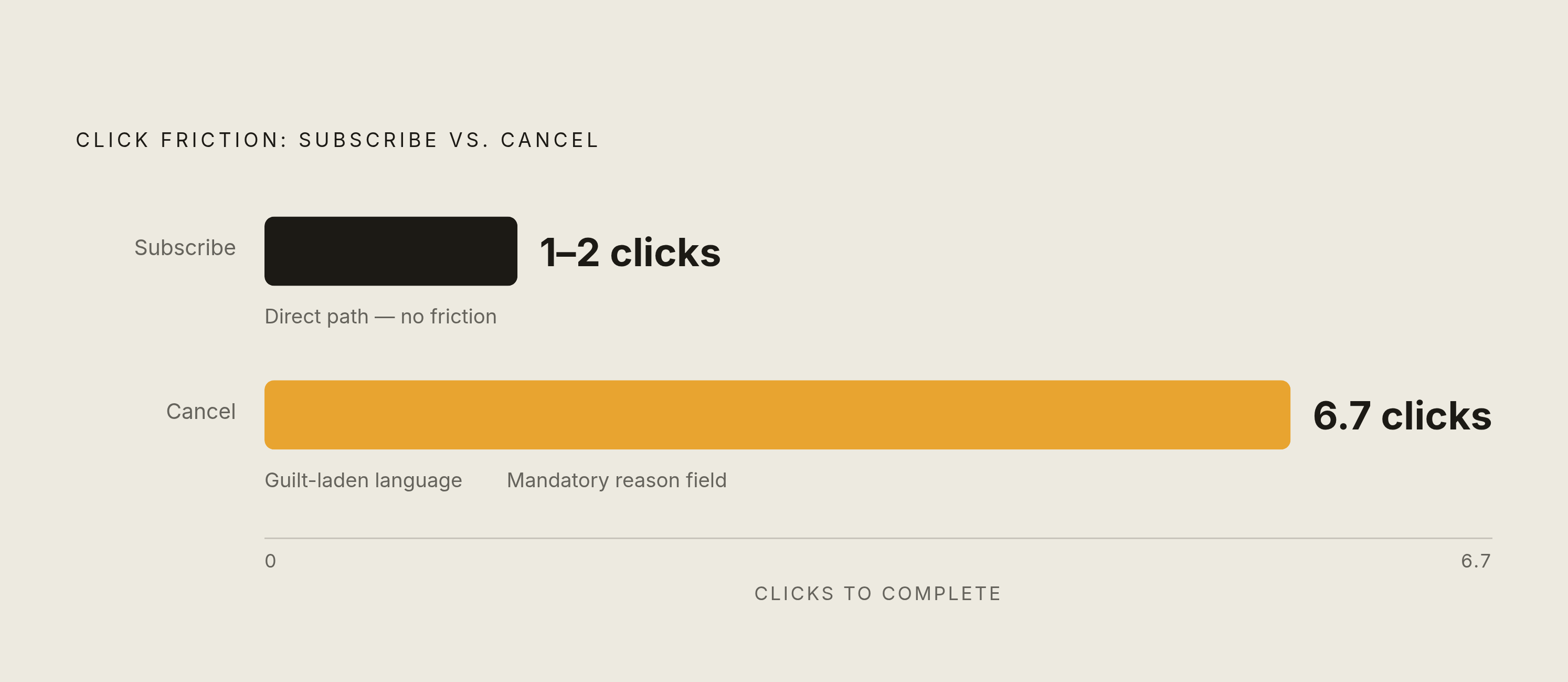
EmailTooltester’s research found that subscribing averages 1–2 clicks, while canceling averages 6.7 clicks. Some platforms require far more steps. Nearly all cancellation flows use language that makes people feel guilty about leaving, and nearly half make them give a reason before they can finish. That asymmetry turns the consumer’s decision to leave into another task to complete. The extra friction is a product decision.
Adobe’s $150 million settlement on March 13, 2026, resolved a DOJ and FTC case over hidden Early Termination Fees and intentionally convoluted and burdensome cancellation processes. A substantial portion goes toward consumer relief, including potential refunds of paid termination fees. The case shows why identifying an unwanted charge is only part of the work. A consumer can recognize the problem and still face obstacles to stopping it.
California AB 2863 applies to contracts entered, amended or extended on or after July 1, 2025. It requires cancellation in the same medium used to sign up, online termination for online enrollees, annual reminders for all subscriptions and notice before fee changes. Those state requirements should not be mistaken for a federal guarantee. The federal click-to-cancel rule was vacated for procedural reasons before its scheduled effective date.
How do you manage unwanted recurring charges beyond a one-time audit?
A manual audit can reveal what is billing today. Pulling several months of statements and flagging every recurring charge is the right starting point, but it produces a snapshot. New subscriptions, trial conversions and price increases can appear after the review ends. A spreadsheet reviewed quarterly cannot provide continuous visibility across payment methods. The practical shift is from periodically rebuilding the picture to watching for changes within it.
A virtual card number with a spending cap or expiration date can block a conversion charge, forcing the service to contact the consumer before billing. A calendar reminder should fall two days before the trial ends. Services often charge at midnight, and banks can take more than a day to reflect the payment. Waiting for the statement means waiting until after the event.
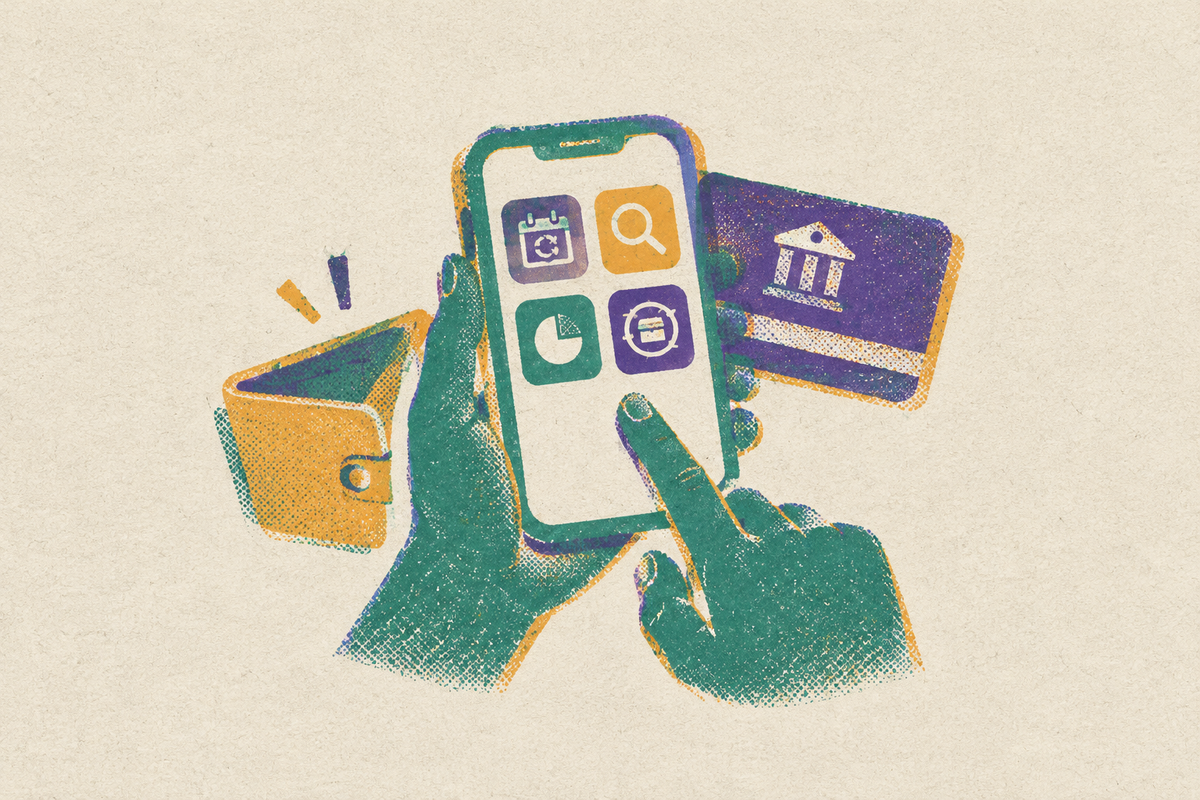
Dormant charges, price changes and subscriptions spread across accounts still require ongoing monitoring. For someone choosing an app to manage and cancel subscriptions, the relevant criteria are cross-account visibility, recognition of recurring charges, detection of changes and clear actions for unwanted payments. Finding a charge and completing a cancellation are distinct capabilities.
The open banking framework that makes account-connected monitoring safe
Older screen-scraping methods store full login credentials, creating significant exposure, and 2026 data puts their use at roughly 40% of fintech aggregators. With open banking APIs, banks can share financial data with third-party providers without consumers having to hand over those credentials. Avoiding credential sharing removes that particular exposure, although it is not a promise of risk-free service.
The CFPB’s Personal Financial Data Rights rule under Section 1033 of Dodd-Frank lays out how consumer data can be made portable and machine-readable. It also provides for sharing data, revoking access and demanding deletion from third-party platforms. However, a federal court injunction blocked enforcement. The April 1, 2026 deadline for the largest financial institutions passed without becoming a binding compliance trigger, so those provisions should not be presented as universally enforceable protections already in place.
A tool that sees only one card cannot identify a subscription billed to another. Connecting more accounts can give a tool enough information to find ways to save, while some connection methods require consumers to hand over credentials and others avoid that exposure. The case for broader visibility depends on understanding both and addressing the consumer’s concern.
The price-drop and refund windows that close while no one is watching
The same attention gap can cost money after an ordinary purchase. Target, Best Buy, Costco and Home Depot have their own time-limited price-adjustment or price-match policies. Their windows differ and close without reminders to the consumer. A lower price is therefore not automatically money returned. Someone has to notice it and make a request while the relevant policy still applies.
Home Depot also matches lower prices on identical, in-stock items from select online competitors, including Lowe’s, Menards, Amazon, Walmart, Best Buy and Target. The item must be sold and shipped directly by the retailer. The consumer must request the match.
Amazon’s published “Price Matching” help page rules out price matching and leaves refunds after its own price drops without a store-wide commitment. Its only formal guarantee is the pre-order price guarantee on qualifying items. With credit-card price protection largely gone, consumers can get money back by watching prices and asking for an adjustment that meets the retailer’s rules before its window closes. Unlike a forgotten renewal, this loss leaves no new charge to flag, but it still turns on an unwatched clock.
The compounding cost of doing nothing, and what closing the gap actually requires
As an opportunity-cost illustration, the average monthly subscription stack, invested instead over 30 years, would grow to roughly $267,400, a sum that is not necessarily recoverable by every household. Useful services still deliver value.
The subscription model reduces the experience of paying while leaving the cost itself unchanged. Because new services, higher prices and trial conversions keep entering the budget, a cleanup cannot remain complete on its own. Asking consumers to maintain perfect vigilance leaves the same structural weakness in place. The practical response is a continuous monitoring layer that checks accounts and presents each finding together with an identified action.
Starting now, a statement audit can establish which charges exist and which no longer earn their place. Trial safeguards and early reminders can then interrupt the next automatic conversion. The goal is to put the decision before the payment, while there is still time to act.