Reading a Bank Statement Line by Line When You Cannot Afford a Surprise Charge
Match each charge to a known bill and flag what's left.
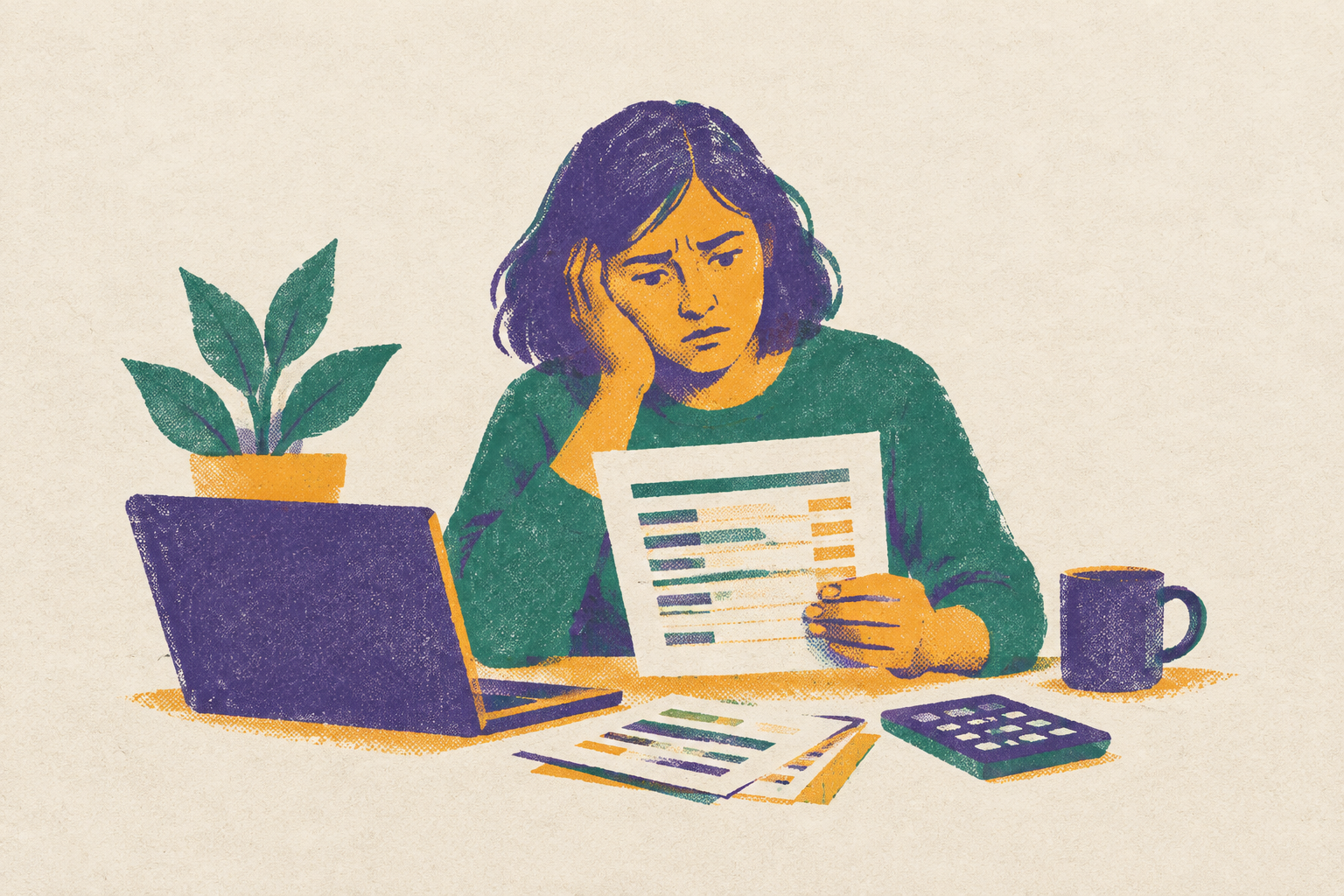
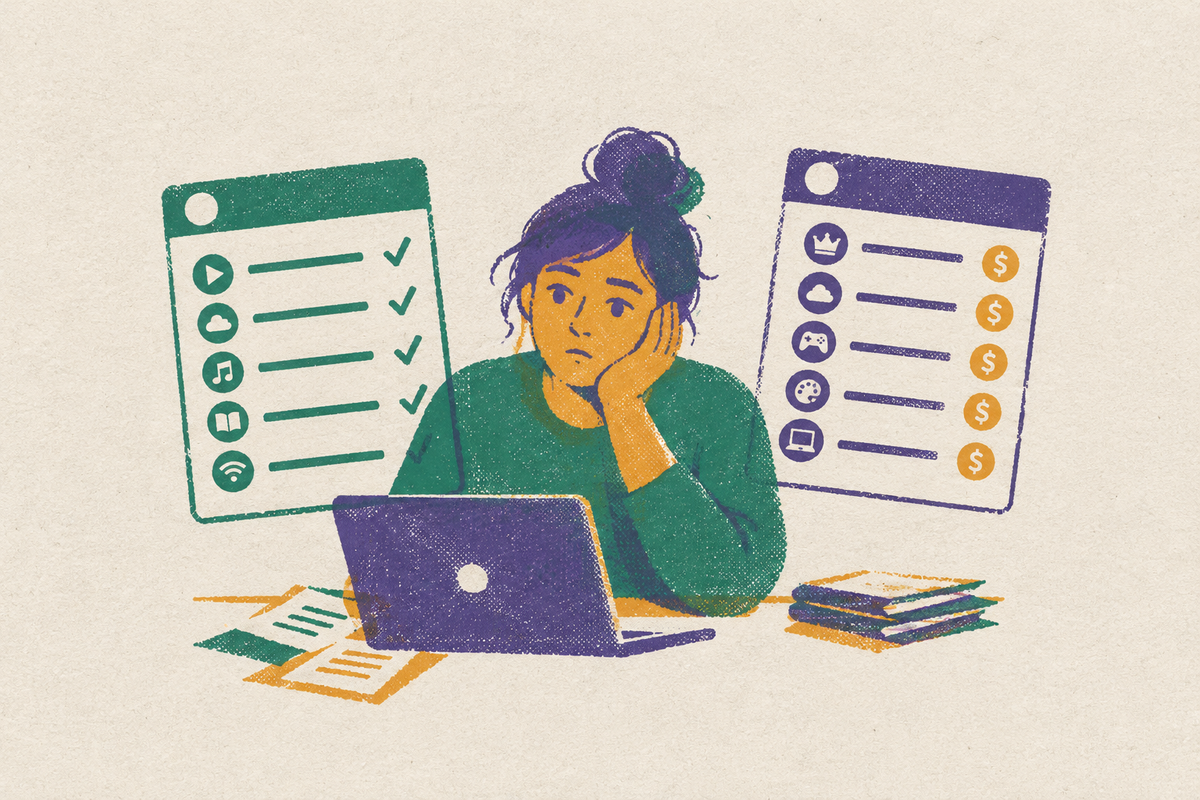
To find subscriptions you no longer need, compare each recurring charge on your bank or credit card statement with a list of services you knowingly pay for. Identify unfamiliar billing names, cancel unwanted subscriptions through the service, and save the cancellation confirmation. When you live paycheck to paycheck, this line-by-line check is damage control. One surprise debit can leave the next bill unpaid and set off a chain of fees.
What a bank statement actually contains and how to read the structure
A bank statement records the debits and credits that posted to your account during a set period. Debits take money out of your account, and credits put money in. Start by finding the dates the statement covers. Most bank statements cover a calendar month, so the document is a record of that period. Your bank app’s available-balance view shows what is happening now, including pending activity.
On each line, check which date is the transaction date and which is the posting date. The first tells you when the charge began. The second tells you when it cleared, and a transaction’s posting date and order can trigger an overdraft. That distinction becomes critical when an automatic payment lands before your paycheck. A bill can be correct in amount and still cause damage because of its timing.
The merchant descriptor is the billing name next to the charge. It may name the shop or app you recognize, its parent company or its payment processor. Check the full amount, including the cents. A slight change can reveal a price increase or new tax, while the transaction type, such as an electronic debit, card purchase, wire or check, tells the bank which dispute process applies.
Pending transactions need attention too because their amounts can change before they settle and they affect your available balance and overdraft exposure. Read the statement alongside the live account view. Otherwise, you may finish checking last month and miss a debit that has already left less money for tomorrow’s bill.
Categories of surprise charges and how each one appears on a statement
A subscription you have forgotten about often looks harmless on its own. A streaming trial may turn into a small charge each month under the name of a payment processor you do not know. An annual renewal can look like a brand-new purchase because the previous payment was so long ago. Even a familiar subscription deserves a close look. The service may be recognizable while the amount is no longer what you expected.
Duplicate charges look different because the clue is repetition. The same merchant and amount may appear twice on the same day or on consecutive days after a card reader error, network timeout or resubmitted authorization. Two matching amounts deserve a second look. Check the dates and purchases together, rather than each line on its own, before deciding that both entries are correct.
Mistimed automatic payments are harder to spot because nothing may look wrong with the purchase itself. A utility, insurance or loan payment can post before the paycheck meant to cover it. Even one day can make the difference. A gap between the biller’s schedule and yours can cause trouble even with a bill you could otherwise cover. When necessities leave little slack, that gap can drain an account that looked fine the night before.
Unauthorized activity may appear as a merchant you have never visited, sometimes in another city or country. Small charges can also deserve attention. Fraudsters may use test charges under a dollar to see if a card works before trying to make a larger purchase. An unfamiliar descriptor alone does not prove fraud, but an amount too small to worry about is not a reason to ignore it.
Bank fees form a separate category because the bank takes the money. Check for fees for overdraft, returned-payment, monthly maintenance and minimum balance. These may be legitimate, but they still need checking. A fee that conflicts with the account agreement, or an overdraft fee on a transaction that should have been covered by available funds, deserves review.
A line-by-line audit method the reader can run in one sitting
First, pull the most recent full statement as a PDF or printed copy. Because its dates stay the same, it is easier to check the whole statement than to scroll through a transaction feed that keeps changing. Put your subscription list beside it. A handwritten note is enough if it names each recurring service, its expected amount and its expected billing date. Keep the live bank view open so you can check pending activity after you have checked the statement.
Next, read from the first transaction to the last and mark every charge you recognize and expected. Include rent, phone bills and streaming services rather than focusing only on suspicious-looking names. Leave unfamiliar entries unmarked for the next pass. This helps you keep track of each line as you check, so you do not have to rely on memory to spot something strange. Recognition is the starting point for further checking.
For every unfamiliar descriptor, search the exact text shown on the statement with the word “charge” or “bank.” Do not guess from a few recognizable letters. The part of a media company that handles billing may be taking payment for an app you use. Match the result to a service you signed up for before treating the charge as identified. If you still cannot connect it to a purchase, keep it flagged.
Return to the recognized recurring charges and compare each full amount with your list. Check the cents as carefully as the dollars. A payment that is a dollar or two higher may reflect a plan change, a price increase or a newly applied tax. Even a familiar charge needs checking against what you agreed to pay.
Then compare automatic debit posting dates with the dates your pay arrived. Flag any bill that cleared before the deposit intended to cover it, even if no fee followed this time. Look for merchant names and amounts that match too. Pay particular attention to charges on the same or consecutive days, since a duplicate can disappear into the page when the entries are separated.
Finally, write down every bank fee and the transaction that triggered it. That record supports both a dispute and a request to change payment timing. Check the live account view before finishing. Pending charges may affect what you can spend now, even though they do not belong to the closed statement period. You should leave the audit with specific unresolved entries.
What to do immediately when a charge looks wrong
A charge you cannot identify needs to be checked right away, especially if it looks like fraud. Call or message the bank immediately. Most banks have a 24-hour fraud line. Ask about a temporary hold while the charge is investigated and, if the card details appear compromised, request a new card number. Record the date, the representative’s name and the dispute reference number, because the reporting window is limited.
For a forgotten subscription, cancel through the service first. Blocking payment without canceling the subscription can lead the merchant to submit the charge again. Save the cancellation email or an in-app confirmation screenshot. Then request a refund for the latest payment, particularly if you have not used the service, while recognizing that refund policies vary and many services will refuse. If another charge appears after cancellation, that written record supports the next dispute.
For a duplicate, contact the merchant with the matching charges. Clear evidence often allows the merchant to reverse the extra payment without further action. If the merchant does not respond within a business day, escalate to the bank and initiate a chargeback for the duplicate transaction. Keep the original purchase separate from the extra charge you are disputing.
For a bank fee that looks wrong, ask the bank to review it against your account agreement and the transaction record. If the agreement does not support the fee, dispute it in writing. A valid fee may still be waived. Banks with courtesy policies often waive a first overdraft fee for a customer in good standing who asks directly, though that is different from correcting an error.
For a payment that arrived before payday, contact the biller to request a different due date or draft date. Some utilities and insurers allow changes, while others limit them or do not permit them. Ask what is possible before assuming the schedule is fixed. Even a three-day shift can remove a recurring timing risk. The aim is to put the payment after the money arrives and avoid repeated disputes over the consequences.
Bridging the gap when a surprise charge has already drained the account
Finding an error does not put the money back immediately. A bill may still be due while the charge is being looked into, and a payday loan or overdraft fee can cost you even more. Compare any short-term option by its fees, delivery time and eligibility requirements. A free transfer that arrives after the bill is due may not solve the immediate gap. Speed has to be weighed against the price.
Gerald has Buy Now, Pay Later through its Cornerstore for things your household needs. Using part of the advance for a qualifying purchase unlocks a free cash advance transfer to a bank account. There is no interest, subscription, transfer fee, late fee or credit check. The purchase requirement is part of the process. This combines essential shopping with access to cash, rather than offering an unrestricted transfer as the first step, and approval is required.
EarnIn provides access to wages already earned, with free standard delivery. It needs a regular paycheck through direct deposit and proof of employment through a work email or fixed work location/GPS, so gig workers usually will not qualify. MoneyLion Instacash has no mandatory membership fee or interest. Its standard delivery takes one to five business days and is free, while instant delivery adds an optional “Turbo” fee. Eligibility and arrival time separate these options as much as price does.
Klover has free standard delivery with no need for a subscription. Users can increase their advance limit by earning points through surveys, receipt scanning and in-app activities. Dave ExtraCash has a different cost structure. Eligible members can receive an advance without a credit check, interest or late fees, but each advance has a 5% overdraft service fee subject to a minimum and cap. A monthly membership fee is required, standard transfers are free, and express transfers to an external debit card add a percentage fee.
Free delivery and fast delivery are not interchangeable. Standard free transfers can take one to five business days depending on the app, but there is almost always a fee for same-day delivery. Pay for speed only when the bill genuinely cannot wait. A monthly app subscription also belongs on the recurring-charge list, because a tool used for one shortfall can become another forgotten debit. Any bridge should be judged by the full cost, including any interest charged.
Building a simple system so the next surprise charge cannot catch you off guard
A recurring calendar alert can make the audit a routine. The day after the statement closes is a useful anchor. A quick check on a set schedule beats a perfect review once a year. Keep a note of subscriptions up to date with each service’s amount, billing date and free-trial end date, then check it against the statement each month. That turns forgotten renewals into payments you can recognize before deciding whether to keep them.
Over time, the checked statements can become a forward-looking bill calendar. Use the posting dates to see which payments fall between paychecks and which billers may need a date-change request. Timing becomes easier to plan around. Keep the bank’s dispute deadline in view too, rather than learning about it after a charge has become too old to contest. The monthly habit supports prompt action, but it does not replace acting immediately on suspected fraud.
Tools already serving a practical need can simplify this routine without adding another subscription. Gerald’s Cornerstore puts household essentials in the same app as the advance, with store rewards that reduce future out-of-pocket spending. A regular audit cannot create savings or make necessities cheaper, but it can provide some of the warning time a cash buffer would otherwise buy. When you have no spare money, knowing what is coming helps you cancel, dispute or move a payment before the next bill hits.